


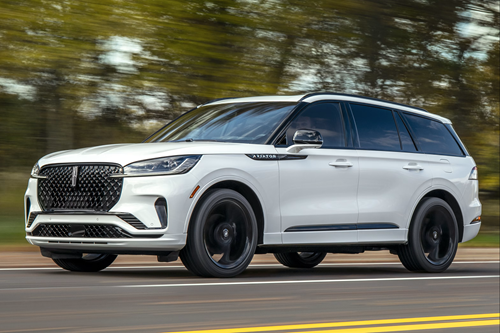
A major redesign goes well beyond fresh paint or updated tech. The biggest redesigns in Lincoln history completely transformed how luxury vehicles were thought about, built, and experienced. These pivotal moments brought new platforms, introduced innovations that created entire segments, or established iconic styling elements that influenced automotive design for decades.
Here at Planet Lincoln Dallas Love Field, we see this evolution play out daily through our inventory spanning decades of Lincoln’s legacy. From vintage models that occasionally show up in our pre-owned inventory to the latest 2026 lineup, each major redesign shows Lincoln’s commitment to sophisticated luxury and forward-thinking engineering. These transformations didn’t just reshape the brand. They changed the entire luxury automotive landscape, setting standards competitors spent years trying to match.
What Defines a Major Redesign in Lincoln History
Looking at Lincoln’s design evolution reveals more than just automotive history. It shows how American luxury adapted to changing times while keeping its unwavering focus on elegance, craftsmanship, and smart engineering. From coachbuilt refinement through personal luxury dominance to versatile SUV leadership and today’s technology-forward approach, each era built on the foundation established by visionary thinking and careful execution.
Early Innovations: The Lincoln-Zephyr and Original Continental (1936-1939)
Revolutionary Streamlined Design
The 1936 Lincoln-Zephyr arrived during the Great Depression with a bold proposition: make luxury accessible through smart engineering. Its 267 cubic inch V12 engine produced 110 horsepower while streamlined unibody construction cut weight and improved aerodynamics. The Zephyr’s flowing lines represented a complete rethink of how cars were built, aligning with industrial design trends that emphasized function and beauty working together.
While competitors stuck with traditional body-on-frame construction, Lincoln embraced integrated design. The Zephyr’s teardrop shape and unified design language established principles that would influence Lincoln’s approach for decades. This methodology made luxury more attainable without compromising the refinement expected from Lincoln.
Birth of the Continental Icon
When Edsel Ford commissioned a custom vehicle for his 1939 Florida vacation, he accidentally created an automotive icon. The original Continental used the same 267 cubic inch V12 as the Zephyr but wrapped it in understated elegance that contrasted sharply with the era’s flashy styling. Clean slab-sided panels, minimal ornamentation, and the signature continental spare tire kit made a sophisticated statement that clicked with discerning buyers.
This wasn’t mass production. The Continental represented custom luxury for those who appreciated restraint over show. Its design philosophy established the Continental nameplate as Lincoln’s premium expression of refined taste, a tradition continuing in our current lineup.
Mid-Century Masterpieces: The Mark II and 1961 Continental
The Ultra-Luxury Mark II Revival
The 1956 Continental Mark II entered territory where only Rolls-Royce and Bentley competed. At $9,966 base price (nearly double contemporary Cadillacs), Lincoln’s ultra-luxury intentions were crystal clear. The 368 cubic inch V8 delivering 285 horsepower provided smooth performance, but the Mark II’s appeal went way beyond specs.
Hand-assembled in a dedicated facility, every Mark II received careful attention to detail. Approximately 2,550 units were produced in 1956, with the 1957 model adding 444 more and increasing output to 300 horsepower, bringing total production across both years to just under 3,000 units. This exclusivity reflected Lincoln’s commitment to quality over quantity, making the Mark II a collector’s treasure that occasionally surfaces in the pre-owned market.
Kennedy-Era Transformation and Suicide Doors
The 1961 Continental redefined American luxury through elegant simplicity. Its 430 cubic inch V8 generated 300 horsepower through a 123-inch wheelbase, but the real innovation was those center-opening suicide doors. Beyond their dramatic visual impact, they demonstrated thoughtful design addressing both accessibility and presence.
This Continental became the presidential limousine, forever linking Lincoln to American prestige and power. The clean lines, tasteful chrome work, and balanced proportions created timeless appeal that influenced luxury automotive design worldwide. Today’s Lincoln models echo this philosophy in every carefully considered detail.
The Personal Luxury Era: Mark III Through the 1980s
The 1969 Continental Mark III launched Lincoln’s personal luxury dynasty with serious confidence. Its 460 cubic inch V8 produced 365 horsepower while hidden headlights and a Rolls-Royce-inspired grille projected presence without pretension. This represented more than transportation. It was a statement about success and discernment.
Through the Mark IV, Mark V, and later iterations, Lincoln refined this formula. Long hoods, formal rooflines, and rich interiors appealed to executives and entrepreneurs seeking both comfort and performance. These models exemplified when American luxury meant generous proportions, powerful engines, and appointments matching any European competitor. The personal luxury segment Lincoln pioneered established expectations for comfort and refinement that continue shaping our customer experience approach at Planet Lincoln Love Field.
Redefining Luxury Transportation: Navigator and Aviator
Navigator: Pioneering the Luxury SUV Segment
When the 1998 Navigator arrived with its 5.4-liter Triton V8 producing 230 horsepower, Lincoln didn’t just launch a vehicle. They created the full-size luxury SUV segment. Combining the Navigator’s commanding presence with refined appointments previously reserved for luxury sedans demonstrated a visionary understanding of how families wanted to travel.
The Navigator’s success wasn’t accidental. Lincoln recognized that luxury buyers desired versatility alongside elegance, capability alongside comfort. This insight transformed the automotive landscape, forcing every luxury manufacturer to develop SUV offerings. Today, the 2026 Navigator continues this legacy with a 3.5-liter twin-turbo V6 delivering 440 horsepower, digital cockpit technology, and advanced driver assistance systems that honor the nameplate’s pioneering spirit while meeting contemporary expectations.
Aviator: Expanding the Luxury SUV Vision
The 2003 Aviator introduced midsize luxury SUV versatility with a 4.6-liter V8 producing 302 horsepower and standard three-row seating. While initially more focused than the Navigator, the Aviator concept proved smart. Lincoln understood that not every luxury buyer needed full-size proportions, yet none would accept compromised refinement or quality.
The modern Aviator demonstrates this evolution perfectly. Its standard 3.0-liter twin-turbo V6 generates 400 horsepower while sustainable materials and expansive screens address contemporary priorities without sacrificing the tailored luxury Lincoln represents. At our Dallas facility near Love Field, we witness families discovering how the Aviator balances sophistication with practical versatility.
Lincoln’s Modern Renaissance: 2017 Continental to the 2026 Lineup
Return to Flagship Elegance
The 2017 Continental marked Lincoln’s return to flagship sedan territory with clear purpose and polish. Built on an all-new platform, it offered three powertrains: a standard 3.7-liter V6 producing 305 horsepower, an available 2.7-liter twin-turbo V6 producing 335 horsepower, and a top 3.0-liter twin-turbo V6 delivering 400 horsepower. The fastback roofline echoed streamlined heritage while adaptive suspension and contemporary technology addressed modern luxury expectations.
This Continental went beyond nostalgia. Lincoln proved that sedan elegance remained relevant when executed with conviction and contemporary sophistication. Classic proportions met modern engineering, creating a vehicle that honored history without being constrained by it.
The Complete 2026 Vision
The comprehensive 2026 Lincoln Vehicle lineup builds on this renaissance. Navigator, Aviator, Nautilus, and Corsair each express Lincoln’s evolved design language while addressing specific customer needs. This represents not simply product expansion but a complete vision for how luxury transportation adapts to contemporary life.
Digital cockpits, sustainable materials, and advanced safety systems define the technical specs, but the real story remains Lincoln’s understanding that luxury means anticipating needs before they’re expressed. Our team here in Dallas has witnessed how the 2026 models balance heritage with innovation, creating experiences that honor Lincoln’s legacy while embracing future possibilities.
Experience Lincoln’s Legacy at Planet Lincoln Love Field
Ninety years of design innovation converge at our Dallas Love Field facility. As one of the largest Lincoln dealerships in the country, we offer unique perspective on how the brand evolved from the streamlined Lincoln-Zephyr to today’s technology-forward Navigator.
Whether exploring our new Lincoln inventory, discovering Lincoln Certified Pre-Owned vehicles that maintain Lincoln’s quality standards, or discussing what makes each generation distinctive, our approach stays focused on your needs. The same attention to detail that defined the Continental Mark II’s hand-assembly guides our service today.
We invite you to experience how Lincoln’s biggest redesigns translate into your driving reality. Contact our team or give us a call at 972-634-9082 to discover how heritage meets innovation at 7767 Lemmon Avenue, where every Lincoln model tells part of this remarkable story.
Frequently Asked Questions About Lincoln’s Biggest Vehicle Redesigns
▶ What qualifies as a major redesign in Lincoln history?
A major redesign goes beyond styling updates and includes new platforms, engineering breakthroughs, or segment-defining innovations. These redesigns often reshape how luxury vehicles are built and experienced.
▶ Why was the 1936 Lincoln-Zephyr considered revolutionary?
The Lincoln-Zephyr introduced streamlined unibody construction and aerodynamic design, moving away from traditional body-on-frame builds. It made luxury more accessible while improving efficiency and performance.
▶ What made the original Lincoln Continental so important?
The 1939 Continental introduced clean, minimalist styling and understated luxury. Its design set the tone for Lincoln’s premium identity and became one of the most iconic luxury car designs in history.
▶ How did the 1956 Continental Mark II redefine luxury?
The Continental Mark II focused on hand-built craftsmanship and exclusivity, with fewer than 3,000 units produced. It positioned Lincoln alongside ultra-luxury brands with a focus on quality over volume.
▶ What was unique about the 1961 Lincoln Continental redesign?
The 1961 Continental featured center-opening “suicide doors” and clean, balanced styling. It became a symbol of American luxury and was used as a presidential limousine, reinforcing Lincoln’s prestige.
▶ What defined Lincoln’s personal luxury era?
Models like the 1969 Continental Mark III emphasized powerful V8 engines, long hoods, and premium interiors. This era focused on combining performance with comfort and status-driven design.
▶ Why was the 1998 Lincoln Navigator a major turning point?
The Navigator created the full-size luxury SUV segment by combining SUV capability with luxury features. It shifted consumer expectations and influenced the entire automotive market.
▶ How did the Lincoln Aviator expand the brand’s SUV lineup?
The Aviator introduced a mid-size luxury SUV option with three-row seating, offering versatility without the size of the Navigator. It expanded Lincoln’s reach to more family-focused buyers.
▶ What did the 2017 Lincoln Continental redesign represent?
The 2017 Continental marked a return to flagship sedan luxury with modern platforms, multiple engine options, and refined design. It blended Lincoln’s heritage with contemporary engineering.
▶ How does the 2026 Lincoln lineup reflect modern redesign priorities?
The 2026 lineup focuses on digital technology, advanced safety systems, and sustainable materials while maintaining Lincoln’s signature luxury and comfort across models like Navigator and Aviator.
Photo Courtesy of Lincoln
Connect with us


