
Planet Lincoln Love Field

Blog / Dallas Lincoln Service

How Often Does a Lincoln Need Service in Dallas, TX, and What Does It Cost?

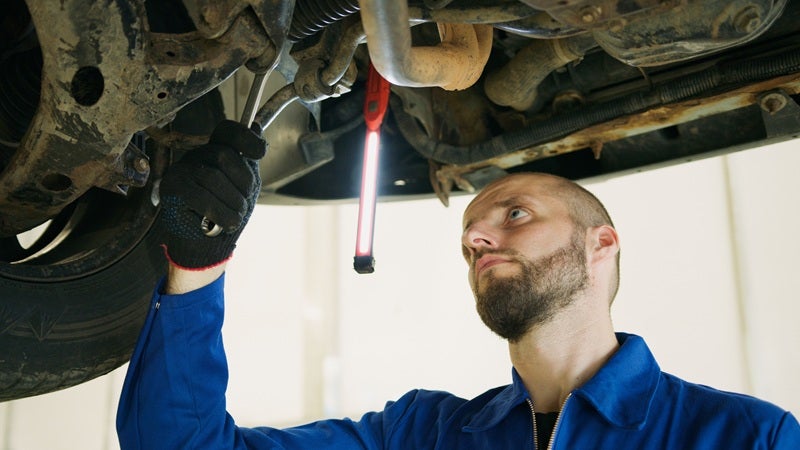
Vehicle service tech inspecting underneath a vehicle

Every Lincoln follows a maintenance schedule built specifically for its model and engine, and the Intelligent Oil-Life Monitor® tracks exactly when that schedule calls for attention. Cost follows a similar logic, shifting with model, mileage, and the type of service or parts involved. This guide walks through both questions, and when you're ready, you can schedule your Lincoln service with our team at Planet Lincoln Dallas Love Field.


Contact Us


How Often Does a Lincoln Need Service?

Lincoln doesn't lock every vehicle into one fixed number. Many newer Lincoln models rely on the Intelligent Oil-Life Monitor to determine when an oil change is due based on how the vehicle is actually driven, rather than a set mileage or time interval, while other maintenance items like filter checks and inspections follow the schedule in your owner's manual. That manual-based schedule commonly falls in the 5,000 to 7,500 mile range, particularly for vehicles driven under severe conditions like frequent towing, extended idling, or stop-and-go traffic.

Lincoln service intervals aren't one-size-fits-all. A Lincoln Navigator used for towing a boat most weekends will need attention sooner than a Lincoln Corsair driven mostly on Central Expressway during a calm commute. Lincoln Motor Company builds flexibility into its maintenance intervals rather than locking every model into the same number. The safest way to know your exact Lincoln service schedule is to check your owner's manual or run a VIN lookup through the Lincoln Client Relationship Center, which pulls the precise schedule tied to your specific vehicle configuration.


Routine Lincoln Service Timing and the Intelligent Oil-Life Monitor

The Intelligent Oil-Life Monitor® is one of the more thoughtful features Lincoln Motor Company has built into its vehicles. It's not a physical sensor dipped into the oil pan, but a software algorithm that reads data from your engine, tracking driving habits, idle time, and temperature exposure to calculate how much useful oil life remains.

That calculation runs on a percentage scale. When the system reaches around 5 percent oil life, the dashboard displays a "Change Engine Oil Soon" alert. Once it hits zero, the message changes to "Oil Change Required." Depending on how the vehicle is driven, the IOLM may never reach a full 12 months or 10,000 miles before triggering that alert. On the other end, heavy idling, the kind common in Dallas rush hour on I-35E or LBJ Freeway, can trigger the warning as early as 7 months or 4,000 miles.

The IOLM only governs oil changes. Tire rotations, filter swaps, and fluid checks still follow the time and mileage tables outlined in your owner's manual, independent of what the oil monitor displays. Treating the IOLM as your only maintenance guide can mean missing service that's due even when the oil life indicator still looks healthy.


Lincoln Maintenance Schedule by Mileage

A full Lincoln maintenance schedule breaks down into a handful of predictable categories, each tied to specific mileage markers. Understanding these milestones makes it easier to plan ahead rather than reacting to a warning light.

Oil and Filters

Oil and filter changes remain the backbone of any Lincoln service schedule. On many Lincoln models, oil change timing is set by the Intelligent Oil-Life Monitor based on driving conditions rather than a fixed interval, though vehicles without the monitor, or other general maintenance guides, often list a 5,000 to 7,500 mile window depending on oil type and engine. Cabin air filters typically get swapped around the 20,000-mile mark, often paired with a synthetic oil change to make the most of a single service visit.

Batteries and Cooling Systems

Battery, belt, hose, and exhaust inspections generally happen around 15,000 miles. Cooling systems deserve a closer look by 60,000 miles, with a full coolant flush recommended by 100,000 miles or ten years, whichever arrives first. These components work harder in Dallas than in milder climates, which we'll get into shortly.

Tires and Brakes

Brake pads can start showing wear as early as 15,000 miles depending on driving style, and a brake fluid flush is typically due around 60,000 miles. Tire rotations happen on a shorter cycle, usually every 5,000 to 10,000 miles, to keep tread wear even and handling predictable.

Fluids and Inspections

Transmission fluid, power steering fluid, and other critical fluids get checked at intervals that vary by model, but the 30,000 to 60,000 mile range typically brings a deeper round of inspections. AWD Lincoln models also need rear differential service on their own separate schedule, something our Lincoln service center can confirm against your specific VIN.


Typical Lincoln Ownership and Maintenance Costs

Lincoln maintenance costs land close to average for the luxury segment, and staying consistent with your schedule tends to keep costs predictable rather than surprising. RepairPal puts the average annual Lincoln repair and maintenance cost at $879 brand-wide, a figure that reflects the full lineup rather than any single dealership's pricing. That same data shows Lincoln owners average about 0.4 unscheduled shop visits per year, and that 15 percent of Lincoln repairs are classified as severe compared with a 12 percent average across all models.

That last figure sounds concerning until you consider what RepairPal also notes: a higher average repair cost doesn't equal lower reliability. The Lincoln MKZ is a good example. MKZ maintenance cost estimates can run a bit higher than some competitors, yet that doesn't reflect poor build quality. It often just reflects the cost of specific components and labor for a well-equipped sedan. The same logic applies to a Lincoln Navigator maintenance cost, which naturally runs higher than a compact crossover simply because its brakes and cooling system are built bigger to match the vehicle.

Cost drivers across the board include model year, driving habits, towing use, and how closely the owner sticks to the recommended maintenance schedule. Vehicles serviced consistently tend to avoid the larger repair bills that come from deferred maintenance catching up all at once. If you're wondering about Lincoln service cost in Dallas, TX specifically, we'd rather give you an honest range in person than a number that doesn't account for your model and mileage. Ask our team about A/Z Plan or warranty and service package eligibility when you bring your vehicle in; it can meaningfully change what you pay out of pocket.


Dallas Driving Conditions That May Require Earlier Service

North Texas puts real strain on a vehicle that milder climates simply don't. Dallas sees roughly 105 days of extreme heat each year, with July averaging 85.7°F and the annual temperature range spanning 39°F to 96°F. That heat is hard on batteries specifically. According to AAA, citing Consumer Reports research, batteries in southern states last around 17 months less than in colder northern climates, and the organization sees a noticeable jump in service calls after just a few days above 90°F. Consumer Reports recommends annual battery load testing after two years of use in warm climates like ours, a step we build into our inspections for exactly this reason.

Heat affects tires too. AAA notes that pavement temperatures above 150°F, common on Dallas asphalt in July and August, raise the risk of blowouts, and under-inflated tires make that risk worse by trapping more heat. Combine that with DFW traffic congestion, which rose 27.6 percent to an annual average of 4 hours and 47 minutes per driver and now ranks 14th nationally in a recent traffic study, and you get a lot of idling and stop-and-go driving. That kind of severe driving condition is exactly what shortens intervals under the IOLM algorithm, since the system reads idle time and heat exposure as accelerants to oil breakdown.

Highway stretches on Central Expressway or LBJ Freeway during summer months put extra strain on cooling systems, especially when combined with sustained heat. Dallas isn't dry year-round either; the region gets around 39 inches of rain across roughly 78 days annually, which wears down tires and brakes on wet pavement, along with AWD drivetrain components. Given all this, Dallas conditions often justify moving up your service date rather than waiting for the standard interval.


Lincoln Maintenance at a Glance

Here's how the schedule, the Dallas climate, and the bill relate to each other. Intervals are general guidance; your owner's manual and a VIN lookup return the exact schedule for your configuration.


Service

Timing

Dallas Factor

Cost Driver

Oil and filter

IOLM alert, or 5,000–7,500 mi

Idling and heat shorten the interval

Oil type, engine capacity

Tire rotation

5,000–10,000 mi

150°F+ pavement, 78 rain days

Wheel size, added balancing

Battery and belt inspection

15,000 mi, then annual load test

~105 extreme-heat days a year

Inspection vs. replacement

Brakes

Pads from 15,000 mi; fluid ~60,000 mi

Stop-and-go traffic, wet pavement

Pads only vs. pads and rotors; model size

Cabin air filter

~20,000 mi

Heavy year-round A/C use

Part price; cheaper bundled with an oil change

Cooling system

Inspect ~60,000 mi; flush at 100,000 mi or 10 yrs

Sustained summer highway heat

System capacity by model

Fluids and AWD differential

30,000–60,000 mi; differential by VIN

Towing and idling raise fluid temps

Number of fluids; AWD models only


Warning Signs Your Lincoln Needs Service Sooner

Even with a solid Lincoln maintenance schedule in place, certain signs mean it's time to bring your vehicle in before the next scheduled visit. We'd rather you catch these early than wait for a bigger repair bill.

  • Check Engine, Oil Pressure, or Temperature warning lights on the dashboard
  • Squealing or grinding sounds when braking
  • Knocking or tapping sounds from the engine
  • Visible fluid leaks underneath the vehicle
  • A sweet smell, which can indicate a coolant leak
  • Burning smells while driving
  • Vibrations or a noticeable change in handling

Any one of these on its own is worth a call. A few appearing together usually means it's time to bring the vehicle in rather than wait it out.


Schedule Your Lincoln Service at Planet Lincoln Dallas Love Field

Concierge-Level Care, Built for Busy Dallas Life

We built our service experience around the idea that maintaining a Lincoln should feel as refined as driving one. As the world's largest Lincoln facility, located at 7767 Lemmon Avenue in Dallas, we service every current and pre-owned model (Corsair, Aviator, and Navigator included) using OEM-approved parts exclusively. Whether you're due for a routine oil change or a deeper mileage-based inspection, our technicians know these vehicles inside and out.

We also understand that busy Dallas professionals and families don't always have time to sit in a service lounge. That's why we offer the Lincoln Mobile Service Van, which brings service directly to your home or office, along with Lincoln Pickup & Delivery paired with a complimentary Lincoln loaner vehicle. It's care designed to make ownership effortless, not another item on your to-do list.

Book Your Visit

If you're still asking how often your Lincoln needs service for your specific model, our team can pull your exact schedule and walk you through what's due now versus what can wait. Schedule your Lincoln service today, or reach out to our team with any questions about your vehicle's care.


Photo of Mechanic focusing on vehicle maintenance under a car lift in a garage by Artem Podrez is licensed with Pexels License.



Posted in:

Related Posts

Vehicle technician check under a car

What Does a Full Vehicle Inspection Include and Why It Matters in Texas

Texas drivers no longer need an annual safety inspection sticker to register a personal vehicle, but that doesn't mean skipping routine checkups is a good idea. A full vehicle inspection still catches worn brake pads, aging batteries, and fluid leaks before they turn into expensive repairs. Whether you're driving a Corsair through Dallas traffic or logging highway miles in a Navigator, knowing what a full vehicle inspection Texas drivers rely on actually covers can spare you an expensive repair bill and a bad afternoon on the shoulder of I-35. If you're ready to get ahead of wear and tear, you can schedule a vehicle inspection with our service team at Planet Lincoln Dallas Love Field. more What a Full Vehicle Inspection Covers and Why It Matters in Texas As of January 1, 2025, Texas no longer requires a state safety inspection for non-commercial vehicles before registration. This change came from HB 3297, passed by the 88th Legislature and signed into law in 2023. Vehicles registered in a designated emissions county still need an annual emissions inspection, and commercial vehicles across the state still require a safety inspection, along with the federal annual inspection that applies to commercial fleets. Requirements vary by county and vehicle type, so we'd recommend confirming your specific requirements with the Texas Department of Public Safety (DPS) or Texas DMV. This article is general information, not legal or regulatory advice. Even without the old safety inspection requirement, the actual mechanical condition of your vehicle hasn't changed, and neither has the wear that comes from Texas roads and heat. A multi-point inspection gives you a clear, documented picture of your vehicle's health that the old state inspection never really provided. At our Lincoln service center, we walk through brakes, tires, fluids, battery, suspension, lights, filters, and onboard diagnostics so nothing gets missed. Brake System Inspection Brakes are one of the first systems we look at during any full vehicle inspection. Our technicians check rotors for rough spots, warping, or visible damage, examine rubber brake hoses for cracking, and inspect metal brake lines for corrosion or leaks. These components tend to fail quietly, without an obvious warning, until you're pressing the pedal in stop-and-go Dallas traffic and noticing a difference. Recommended Inspection Intervals We generally recommend having brake pads, rotors, lines, hoses, and the parking brake checked around every 10,000 miles. At roughly 15,000 miles, it's worth having brakes and suspension evaluated together, since the two systems affect each other. By 60,000 miles, rotors and brake components often need a closer look regardless of how the pedal feels, since wear isn't always noticeable behind the wheel. Tire Inspection and Rotation Tires take a beating on Texas highways, and tread depth is the simplest indicator of how much grip you have left. We recommend replacing tires once tread reaches 4/32 of an inch, and they're considered worn out at 2/32 of an inch or once the built-in wear indicator becomes visible. A quick way to check this yourself is the penny test: insert a penny with Lincoln's head upside down into the tread groove. If you can see the entire head, your tread has worn down to 2/32 of an inch or less and it's time for new tires. Uneven wear patterns across a tire often point to improper inflation or misalignment, both of which we check during a full inspection. Texas heat adds another variable: tire pressure rises by about 1 PSI for every 10-degree increase in temperature, and overinflation shrinks the tire's contact patch with the road, which raises blowout risk on long summer drives. Signs Your Tires Need Immediate Attention A few warning signs shouldn't wait for your next scheduled visit. Bulges, bubbles, or cracks along the sidewall signal structural damage that can lead to sudden failure. Vibration in the steering wheel or seat while driving often points to tire or wheel issues that need prompt attention. It's also worth checking the DOT code molded into the sidewall. If a tire is 6 to 10 years old or older, age alone can compromise it even if tread looks fine. We suggest inspecting tires once they hit the 5- to 6-year mark, checking annually after that, and replacing them by year 10 regardless of appearance. Battery and Electrical System Checks Texas heat is brutal on batteries. Under-hood temperatures here climb well above what batteries see in cooler climates, and that constant heat stress shortens battery life significantly. A battery might last five years in a milder climate, but North Texas conditions often bring that down to closer to three years. During a full inspection, we look for slow cranking, dimming headlights, and corrosion at the battery terminals. These are early signs that a replacement may be needed before you're left stranded in a parking lot in July. Fluid Levels and Quality Checks A full vehicle inspection reviews oil, coolant, brake fluid, transmission fluid, power steering fluid, and washer fluid for both level and condition. Heat accelerates evaporation and chemical breakdown, so fluids that would hold up fine in a cooler climate can degrade faster here. Low coolant, worn hoses, or a failing thermostat can cause a vehicle to overheat quickly, especially during a long summer drive across North Texas. Any remaining state requirements today are limited to emissions testing in applicable counties, so it's worth confirming current rules directly with the Texas DMV rather than relying on older inspection standards. Suspension and Steering Inspection Suspension components take on more importance than most drivers realize, especially given the road conditions across Dallas-Fort Worth. Our technicians inspect shocks, struts, linkage, and tie rods for wear, leaks, and excess play. A simple way to spot trouble at home is the bounce test: push down firmly on the vehicle's bumper and release it. If it bounces more than twice before settling, that's often a sign of worn shocks or struts. We also check wheel alignment, since misalignment contributes to the uneven tire wear mentioned earlier. Lights, Belts, and Hoses Every full inspection includes a check of headlights, taillights, turn signals, brake lights, and reflectors to confirm they're working and properly aimed. Belts get checked for cracking, fraying, or looseness, while hoses are inspected for secure connections and physical damage. Texas heat commonly turns coolant brown over time and softens rubber hoses, so this is an area where climate-driven wear shows up faster than drivers expect. Filters and Diagnostic Checks A dirty air filter forces the engine to work harder and burn more fuel than it should, so we check filter condition as part of every inspection. We also scan the onboard diagnostics (OBD) system for stored trouble codes and run an engine diagnostic that evaluates the engine, exhaust, transmission, and brakes together. This step often catches issues before they trigger a dashboard warning light. How Texas Heat and Long-Distance Driving Affect Vehicle Health Cooling-system and battery failures account for roughly 40% of summer vehicle breakdowns in Texas, and most of them are preventable with routine attention. The extreme under-hood heat and shorter battery lifespans typical of North Texas summers are good reasons to schedule regular checkups instead of waiting for a warning light. Long highway commutes across Dallas-Fort Worth pile on additional wear: tire pressure swings with the heat, and fluids break down faster than they would elsewhere. UV exposure adds another layer, gradually oxidizing clear coat and fading paint over years of Texas sun. Our technicians see these patterns constantly, and it's part of why a full vehicle inspection built for Texas heat and traffic conditions looks different from one in a milder climate. Multi-Point Inspection Checklist and Component Breakdown Our multi-point inspection breaks down by component like this: Component What Technicians Evaluate Brakes Rotors, pads, rubber hoses, metal lines, parking brake Tires Tread depth, sidewall condition, inflation, alignment-related wear, DOT age code Battery Cranking strength, terminal corrosion, overall charge and condition Fluids Oil, coolant, brake fluid, transmission fluid, power steering fluid, washer fluid Suspension & Steering Shocks, struts, linkage, tie rods, wheel alignment Lights Headlights, taillights, turn signals, brake lights, reflectors Belts & Hoses Cracking, fraying, looseness, secure connections, hose condition Filters Air filter condition and airflow restriction Diagnostics OBD trouble codes, engine, exhaust, transmission, and brake performance For a quick reference, our multi-point inspection checklist generally includes: Brake pads, rotors, and lines Tire tread depth and pressure Battery health and terminal condition All major fluid levels and quality Suspension and steering components Exterior lighting function Belts and hoses Air filter condition OBD diagnostic scan This gives you a clear picture beyond what any older state inspection checklist once required, since a dealership multi-point inspection digs deeper into mechanical condition rather than a basic pass/fail check. Benefits of Preventative Maintenance Staying ahead of wear pays off in ways that go beyond avoiding a breakdown: Better fuel economy. Proper maintenance can improve efficiency by 4 to 40%, according to Department of Energy estimates, depending on the issue addressed Stronger resale value. Vehicles with documented maintenance history tend to sell for 10 to 20% more, a real consideration if you're planning to trade in or sell down the road Avoided repair costs. Neglected oil changes can lead to engine failure costing as much as $10,000 to repair, while ignored brake issues can result in failures costing $500 or more Fewer roadside calls. Most roadside assistance situations are preventable with regular inspections Longer vehicle life. With proper care, modern vehicles can exceed 200,000 miles Easier CPO qualification. A documented inspection and service history makes it easier to qualify for Lincoln Certified Pre-Owned status if you decide to sell through a Lincoln dealer later If you're weighing a trade-in now, it's worth comparing your options by exploring our new Lincoln inventory to see what fits your next chapter. Schedule Your Full Vehicle Inspection at Planet Lincoln Love Field Why Drivers Choose Our Service Center Our team includes factory-trained certified technicians who are part of a network of more than 35,000 professionals dedicated to Lincoln vehicles, so your Corsair, Nautilus, Aviator, Continental, or Navigator is handled by people who know these models inside and out. We use premium parts backed by parts and labor warranties, and we've built in conveniences like Lincoln Pickup & Delivery, a complimentary Lincoln Loaner, a client lounge with Wi-Fi, and a mobile service van to make service fit your schedule rather than the other way around. Book Your Visit Given how hard Texas heat is on batteries, cooling systems, and tires, a full vehicle inspection Texas drivers can count on is one of the simplest ways to avoid a summer breakdown. Visit us at 7767 Lemmon Avenue, Dallas, TX 75209, or schedule service online today to get your Lincoln checked by a team that understands North Texas driving conditions as well as we understand Lincoln vehicles. Photo of Mechanic inspecting a raised car in an auto workshop for maintenance and repair services. by Artem Podrez is licensed with Pexels License.

Lincoln SUV driving down the road

How to Extend the Life of Your Lincoln Vehicle with Proper Care

A Lincoln is more than just a vehicle. For most owners, it's a long-term investment in comfort and quality that holds up remarkably well when properly cared for. Whether you drive a Lincoln Navigator, an Aviator, or a well-kept MKZ, extending the life of your Lincoln comes down to disciplined habits applied consistently over time. At Planet Lincoln Dallas Love Field, our Lincoln-trained technicians are here to help you stay ahead of every maintenance milestone. Schedule your next service appointment and keep your Lincoln performing at its best. more Contact Us Start With These Maintenance Habits to Extend the Life of Your Lincoln Vehicle Long-term vehicle health is built on small, regular actions rather than reactive repairs. Owners who make a habit of checking fluid levels, monitoring tire pressure, and staying attuned to how their Lincoln feels and sounds tend to catch problems early, well before they turn expensive. These aren't complicated tasks. They're a matter of consistency. Keeping your Lincoln clean, inside and out, matters more than most owners realize. Dirt on the undercarriage, salt residue after unusual weather, and neglected interior surfaces all contribute to gradual wear. Treating your Lincoln as the precisely engineered vehicle it is, not just when something goes wrong but as a routine practice, is where longevity begins. Follow Your Lincoln's Factory-Recommended Maintenance Schedule Lincoln engineers design each model with specific service intervals in mind. These aren't suggestions. They're calculated based on how the engine, transmission, brakes, and other systems perform under real-world driving conditions. Lincoln recommends servicing most vehicles every 7,500 miles or 6 months, whichever comes first, under normal conditions. If your driving includes frequent towing, extreme heat, or dusty roads, the Severe Duty schedule applies, with intervals as short as 5,000 miles. Consult your vehicle-specific schedule through Lincoln Owner Support or ask our service team directly. Sticking to the factory-recommended schedule prevents accelerated wear on internal components and helps maintain warranty eligibility. We maintain detailed records of every service visit, giving you a verifiable maintenance history that becomes especially valuable when it's time to sell or trade in. Lincoln Maintenance Checklist by Mileage Interval What Lincoln owners should prioritize at key service intervals: Mileage Interval Required Service Tasks 5,000 mi Change oil and filter; inspect belts, exhaust, and hoses; check transmission, power steering, and wiper fluids 7,500 mi Rotate tires; check automatic transmission fluid; inspect brake pads and rotors 10,000 mi Replace cabin air filter; inspect spark plugs; service transmission system 15,000 mi Replace engine air filter; check cooling system 30,000 mi Replace engine air filter; full brake inspection; oil and filter change 75,000 mi Replace engine coolant; service transmission system 100,000 mi Replace coolant; replace spark plugs; inspect timing chain; service transmission Everyday Service Tips for Lincoln Owners A few service tips worth remembering: Never delay an oil change, since fresh oil is the most critical protection for your engine. Rotate tires every 5,000 to 7,500 miles to keep wear even and handling balanced. Inspect brakes at every service interval, and sooner if you notice squealing, grinding, or vibration. Check fluid levels monthly, and more often as mileage climbs. Respond promptly to any dashboard warning light rather than waiting it out. Protecting Engine and Transmission Performance Long-Term The engine and transmission are the most expensive components in your Lincoln to repair or replace, so protecting them is the highest priority in any preventive care plan. Engine oil is the most critical fluid in the system. Fresh, clean oil keeps moving parts lubricated and prevents heat buildup that accelerates wear. When oil breaks down or runs low, internal damage follows quickly. Transmission fluid deserves equal attention. On models like the Lincoln MKZ and Navigator, the transmission manages a significant workload, especially in city driving with frequent stops and gear changes. Monitoring fluid condition and changing it at recommended intervals keeps the transmission shifting cleanly. A slight knock, a change in idle quality, or a subtle hesitation during acceleration can each point to something developing. Addressing these signs early costs far less than a full repair. Seasonal Texas Driving and What It Demands From Your Lincoln Dallas summers regularly push triple-digit temperatures, and that sustained heat puts real stress on tires, cooling systems, batteries, and engine belts. Heat accelerates fluid degradation, making more frequent oil and coolant checks a smart habit during summer months. Dusty rural roads around the Dallas area also clog air filters faster than urban highway driving, so filter inspections deserve added attention during dry seasons. During summer, your Lincoln's cooling system carries an especially heavy load. Radiator hoses and coolant levels should be inspected before temperatures climb, and battery performance degrades faster in extreme heat than in cold, so testing it before the hottest months is worthwhile. While North Texas winters are generally mild, the occasional freeze warrants attention to antifreeze concentration, wiper blades, and tire tread depth. Adapting your service routine to the Texas calendar makes a measurable difference in year-round reliability. Tire Rotation, Brake Inspections, and Wheel Care Tires and brakes are your Lincoln's primary safety systems, and both require consistent attention. Tire rotation ensures wear distributes evenly across all four tires, extending usable life and maintaining balanced handling. Skipping rotations leads to uneven wear patterns that compromise road grip and force early replacements. Wheel alignment is closely tied to tire health. When alignment drifts even slightly, tires wear unevenly, and the vehicle pulls to one side. For a Lincoln, where ride quality and steering precision are part of the ownership experience, misalignment is noticeable and worth correcting promptly. Brake inspections should happen at every tire rotation, and more frequently if you notice changes in pedal feel, squealing or grinding, or vibration during braking. Replacing pads before they reach metal-on-metal contact protects the rotors and saves money. Interior and Exterior Preservation for Lasting Value Preserving the condition of your Lincoln, inside and out, protects both its resale value and your daily enjoyment. Regular washing removes contaminants like road grime, bird droppings, and brake dust that can etch into paint over time. Periodic waxing or a paint sealant adds protection against UV exposure and oxidation. For the interior, Lincoln's premium materials, whether Bridge of Weaves textile, Rhapsody leather, or genuine wood trim, respond well to consistent care. Using the right conditioners on leather and avoiding harsh cleaners on soft surfaces keeps the cabin looking refined and prevents cracking or fading. Owners of pre-owned Lincolns, including Continental, MKZ, and MKC models, benefit from understanding their vehicle's prior care history and from picking up where good maintenance left off. If you're considering a Lincoln Certified Pre-Owned model, our team can walk you through the vehicle's service record in detail. Warning Signs Lincoln Owners Should Never Ignore Dashboard warning lights exist for a reason. Whether it's the check engine light, tire pressure monitor, oil life indicator, or a temperature warning, each signal deserves a prompt response. Waiting often turns a manageable issue into a significant repair. Pay attention to changes in how your Lincoln drives and sounds. Unusual vibrations at highway speed, a pulling sensation during braking, or a rough idle are all worth investigating. A subtle whining from the transmission or a clicking noise during turns can indicate fluid issues or bearing wear. A diagnostic check is always less expensive than letting a problem develop. High-Mileage Lincoln Ownership and What Changes Well-maintained Lincoln Navigator and MKZ models are well documented for achieving high mileage. According to automotive reliability sources like iSeeCars and RepairPal, what separates high-mileage survivors from early trade-ins is maintenance discipline, not luck. At 100,000 miles, spark plug replacement, coolant flush, timing chain inspection, and transmission servicing move to the front of the priority list. As mileage climbs, belts, hoses, and suspension components like struts and control arm bushings deserve closer inspection. Gaskets and seals may begin to seep with age, so checking fluid levels more frequently becomes part of the routine. High-mileage ownership is entirely manageable with a more attentive approach and a willingness to replace worn items before they fail rather than after. Building a Preventative Maintenance Plan That Works A preventative maintenance plan takes the guesswork out of vehicle care. Start by reviewing your Lincoln's owner's manual for factory-recommended intervals, then layer in the seasonal checks relevant to Texas driving conditions. Track your current mileage and set calendar reminders for upcoming service milestones. Your driving habits matter too. If you frequently drive short distances, do a lot of stop-and-go city driving in Dallas, or tow with your Navigator, your Lincoln may need service more frequently than the standard interval suggests. Monthly fluid checks, regular tire rotations, and annual inspections are the foundation of any sound plan. Keeping a thorough service history also supports resale value when the time comes. For busy Dallas owners who can't always make it to us, we offer Lincoln Pickup & Delivery, which brings your vehicle to our service center and returns it to you once the work is done. We also provide Lincoln mobile service, bringing certified technicians directly to your location for select maintenance, so routine care fits around your schedule instead of interrupting it. Schedule Certified Lincoln Service at Planet Lincoln Love Field Choosing where your Lincoln receives service matters as much as how often it does. Our Lincoln-trained technicians are certified on the engineering standards, software systems, and mechanical specifications of every Lincoln model, using OEM parts and diagnostic tools calibrated specifically for the brand. Schedule your service appointment at Planet Lincoln Love Field and let our team build a maintenance plan around your model, mileage, and driving habits. Whether you're caring for a new Lincoln Black Label or keeping a trusted pre-owned MKZ on the road, we're here to help you protect your Lincoln for the long haul. Contact us with any questions, and we'll get you taken care of. Photo Courtesy of Lincoln