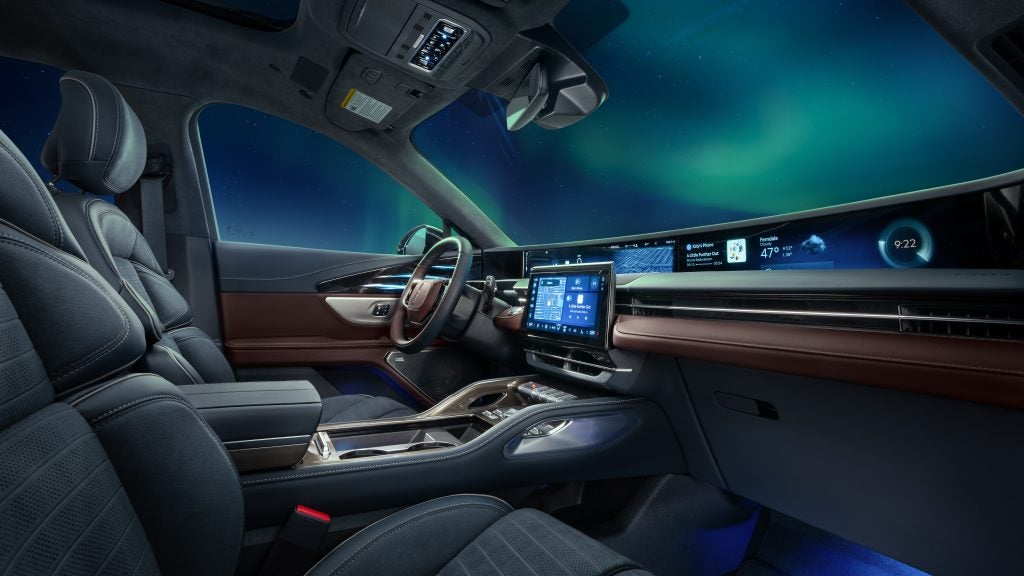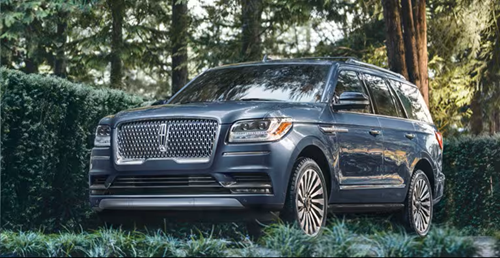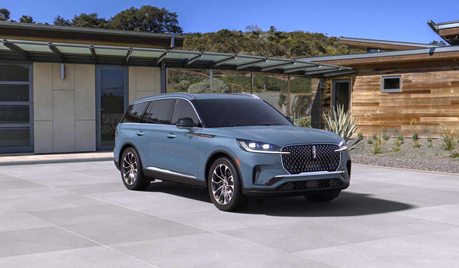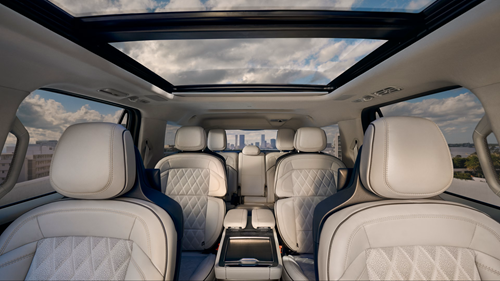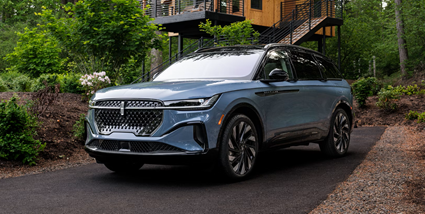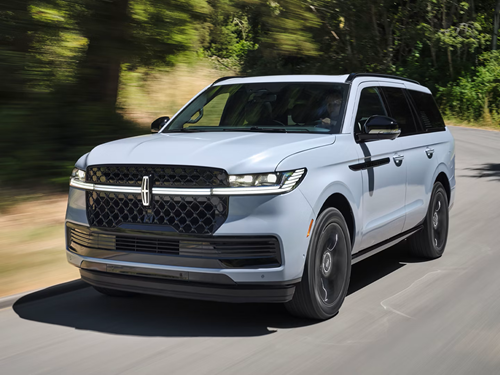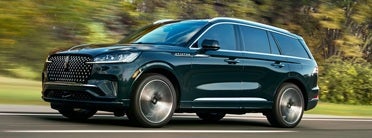


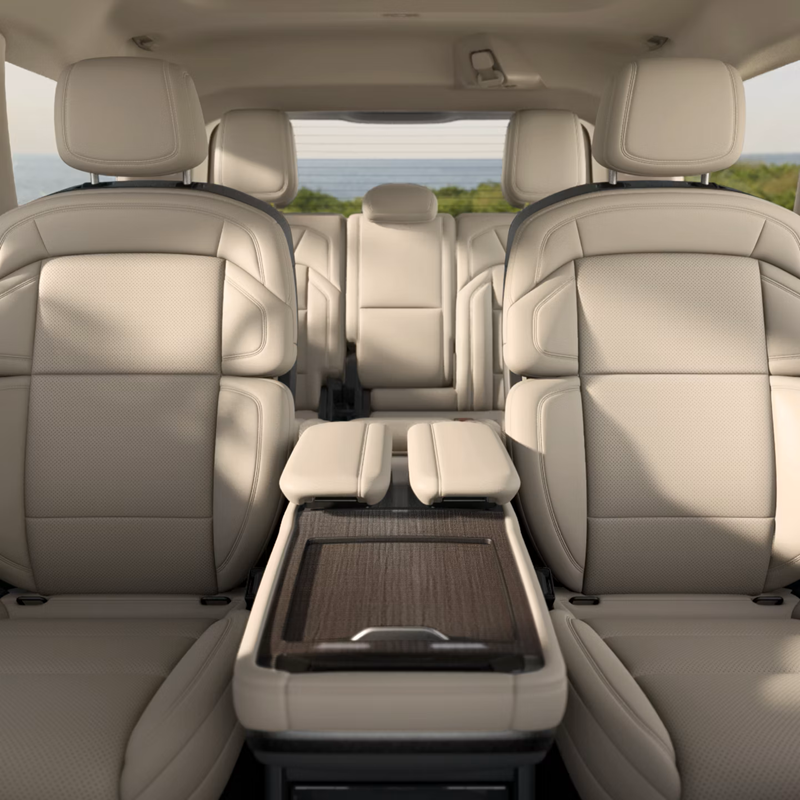
Choosing between the 2027 Lincoln Navigator trim levels comes down to how you actually live with a full-size luxury SUV. Some drivers want a well-equipped Navigator that handles daily Dallas traffic with ease. Others want the full concierge treatment, right down to personalized delivery and years of complimentary maintenance. Lincoln carries forward its three-trim structure for the 2027 model year: Premiere, Reserve, and Black Label, each built on the same twin-turbocharged V6 foundation but separated by materials and service. At Planet Lincoln Dallas Love Field, we help buyers work through these distinctions every day. As you explore the 2027 Lincoln Navigator lineup, this guide breaks down what separates each trim and which one fits your lifestyle, whether you're shepherding kids across DFW or driving clients downtown for a meeting. Contact Us Quick Answer: Which 2027 Lincoln Navigator Trim Fits You Best If you want essential luxury without paying for extras you won't use, the 2027 Lincoln Navigator Premiere covers the fundamentals well. Buyers who want a noticeably quieter cabin, richer materials, and technology geared toward comfort should look at the 2027 Lincoln Navigator Reserve. For those who view their SUV as an extension of a broader lifestyle, one with concierge service, curated interior themes, and white-glove ownership perks, the 2027 Lincoln Navigator Black Label tops the lineup, built around a personalized experience rather than just equipment. 2027 Lincoln Navigator Shared Specifications and Standard-Length vs. Navigator L Every 2027 Navigator trim shares the same mechanical core, so the decision isn't about performance. Comfort and material quality separate these trims, along with how much service comes bundled in. Understanding what's standard across the board makes it much easier to evaluate where the real differences lie. What Every Trim Includes as Standard Lincoln equips every 2027 Navigator with a 440-hp twin-turbocharged 3.5L V6 producing 510 lb-ft of torque, paired with a 10-speed automatic transmission. Rear-wheel drive is now standard across the lineup, with 4WD available as an option for drivers who want extra traction. Every Navigator also comes backed by a 4-year/50,000-mile basic warranty and a 6-year/70,000-mile powertrain warranty regardless of trim. Safety and driver-assist technology are consistent across Premiere, Reserve, and Black Label as well. That includes Lincoln BlueCruise with four years of service included, operating hands-free on 97% of controlled-access highways within its Blue Zones, Lincoln Co-Pilot360™ Drive 2.0, BLIS with Cross-Traffic Alert and Trailer Coverage, adaptive cruise control with Stop-and-Go, Lane Centering, Pre-Collision Assist with AEB and Pedestrian Detection, a 360-degree camera, Reverse Brake Assist, Adaptive Suspension, and Auto Hold. Three-row seating for 7 or 8 passengers comes standard, along with enhanced active noise control and the hands-free Lincoln Split Gate. The Lincoln Rejuvenate cabin experience is introduced starting at the Reserve trim. Towing capability is another area where Lincoln treats every trim equally. The Heavy-Duty Trailer Tow Package, priced at $750, is available across the entire lineup and raises towing capacity to 8,700 lbs while adding a trailer brake controller, Slow Climb mode, Trailer Reverse Guidance, and Pro Trailer Backup/Hitch Assist. The Navigator runs on regular 87-octane fuel, with premium recommended when you want maximum output, such as when towing. For a Dallas buyer, running regular as the default is a real cost advantage over rivals that require premium. Navigator L: Extra Cargo Room Behind the Third Row Beyond trim level, buyers also choose between standard-length and Navigator L body styles. The Navigator L adds more than 11 inches of overall length and up to 14.5 cubic feet of additional cargo space behind the third row. The standard-length Navigator offers 22.9 cubic feet behind the third row and 107.0 cubic feet with the second and third rows folded. Families who travel with strollers, sports gear, or luggage for extended trips will notice that extra room behind the third row, and it doesn't cost them any trim-level features to get it. Trim-by-Trim Differences: Premiere, Reserve, and Black Label With the shared specifications covered, the real differentiation among the 2027 Navigator trim levels comes down to materials and how much ownership support is built in. Each trim carves out its own identity from there. 2027 Navigator Premiere: Value-Focused Luxury Standard Features The 2027 Navigator Premiere opens the lineup with a 48-inch Lincoln Digital Experience panoramic screen, heated and ventilated front seats with massage function, and a 14-speaker Revel audio system. Buyers also get the hands-free Lincoln Split Gate, a 5G Wi-Fi hotspot, wireless charging, tri-zone climate control, and 22-inch wheels finished with a Satin Chrome Mesh grille. Interior color choices include Onyx Black or Afterglow. Edmunds notes that the Premiere provides nearly everything a buyer would need, and it's a genuinely complete entry point for families who want real luxury without paying for add-ons they'll never use. Available Packages Premiere buyers can add the Heavy-Duty Trailer Tow Package, which makes plenty of sense for anyone hauling a boat or trailer to the lake on weekends. 2027 Navigator Reserve: Elevated Technology and Comfort Standard Features Stepping up to the 2027 Navigator Reserve introduces the Lincoln Rejuvenate multisensory cabin experience alongside a Panoramic Vista Roof with a power sunshade and power-deployable running boards. Audio moves up to a 28-speaker Revel Ultima 3D system, and the cabin adds Digital Scent for a more layered sensory experience. One standout feature for Texas drivers is Auto Air Refresh, which captures up to 99% of common pollens, a genuinely useful detail during the region's demanding allergy season. Premium leather covers the first two rows, ambient lighting gets a boost, and the second row can be configured as a 40/20/40 PowerFold bench for flexible seating, with a power-folding split-bench third row standard. Interior color options include Light Space Gray/Black Onyx, Ebony/Black Onyx, Black Onyx/Hot Chocolate, and Afterglow. Available Packages The Reserve trim offers the Jet Appearance Package, priced around $3,500, along with a Renew Package that adds 24-way Perfect Position seats for even more tailored comfort on long drives. If you're weighing the difference between the 2027 Navigator Premiere and 2027 Navigator Reserve, our team can walk you through both in person. Contact us to learn more about which combination of features fits your daily routine. 2027 Navigator Black Label: The Exclusive Ownership Experience Standard Features The 2027 Navigator Black Label is Lincoln's highest trim, built around an ownership experience rather than a features checklist. Inside, buyers get 30-way Perfect Position front seats upholstered in ultra-premium leather, enhanced ambient lighting, and a Satin Aluminum Full Jewel lit grille outside. Lincoln offers three curated interior themes for Black Label: Enlighten, Invitation, and Atmospheric, each designed to create a distinct cabin atmosphere. What really distinguishes Black Label is the ownership program wrapped around it. Buyers receive dedicated concierge support, a premium maintenance plan covering four years or 50,000 miles, remote delivery of their new vehicle, annual detailing, and complimentary car washes at their Black Label retailer. Lincoln also connects Black Label owners with luxury travel partners as part of the broader ownership experience. As a Premier Lincoln Black Label dealer, we pair these manufacturer benefits with our own Lincoln Pickup & Delivery™ service and Lincoln Access Rewards™, so Black Label ownership through Planet Lincoln Dallas Love Field carries an added layer of personalized service from day one. Available Packages Black Label buyers can further personalize their SUV with the Black Label Special Edition Package, around $9,000, or the Atmospheric Special Edition Package, near $7,850. Lincoln Play, a rear-seat entertainment option, is also available for families who want to keep younger passengers occupied during long drives. Pricing Across the 2027 Navigator Lineup The 2027 Navigator Premiere starts at $89,995 in standard-length, rear-drive form, with the Navigator L Premiere at $92,995. The Navigator Reserve starts at $99,995 and the Navigator L Reserve at $102,995. At the top of the lineup, the Navigator Black Label starts at $114,995 and the Navigator L Black Label at $117,995. Four-wheel drive adds $3,000 to any configuration. All figures exclude destination charges. Buyers who want Lincoln's Black Label experience at a lower entry point sometimes also consider our Certified Pre-Owned inventory, which can offer earlier Navigator generations with many of the same premium touches. 2027 Navigator Trim Comparison Table Premiere Reserve Black Label Starting MSRP (4x2 / L) $89,995 / $92,995 $99,995 / $102,995 $114,995 / $117,995 Defining Features Digital Experience screen, Revel 14-speaker audio Lincoln Rejuvenate, Auto Air Refresh, Revel Ultima 3D Concierge service, 30-way seats, curated interior themes Seating 7/8 passengers 7/8 passengers 7/8 passengers Wheelbase Options Standard or Navigator L Standard or Navigator L Standard or Navigator L Ideal Buyer Value-focused families Comfort- and tech-focused drivers Executives and concierge-level owners Choosing the Right Navigator Trim for Dallas Drivers Maneuverability and Family Space in the City Dallas traffic patterns and tight parking structures make the standard-length Navigator appealing for drivers who prioritize maneuverability around the city. Families who regularly haul gear, carpool, or take road trips may find the Navigator L's extra cargo room behind the third row worth the added length, especially with three rows of passengers already filling the cabin. Highway Comfort and Summer Climate Features Long stretches on Dallas highways benefit from the Reserve and Black Label's expanded climate and comfort features. Auto Air Refresh becomes particularly valuable during North Texas allergy season, when pollen counts climb and cabin air quality matters more on daily commutes. Regional Road Trips Around Dallas-Fort Worth For families planning regional trips around DFW, towing capacity and interior space both matter. The Heavy-Duty Trailer Tow Package, available on every trim, combined with the Navigator L's added cargo room, makes longer trips with trailers or extra luggage considerably easier to manage. Compare Navigator Trims and Schedule a Test Drive at Planet Lincoln Dallas Love Field Reading about the 2027 Lincoln Navigator trim levels only goes so far. The real differences come through once you're sitting inside each trim and can feel the seating comfort, cabin quiet, and material quality for yourself. We invite you to browse our new Lincoln Navigator inventory in Dallas, TX, or search our full new vehicle inventory to see what's arriving. From there, reach out to schedule a time to compare Premiere, Reserve, and Black Label side by side. As the world's largest Lincoln facility, located at the former Braniff International Airways site at 7767 Lemmon Ave in Dallas, we've built our dealership around helping buyers move confidently through exactly this kind of decision. Whether you're looking for the value of the Premiere or the concierge-level experience of the Black Label, our team is ready to guide you through every detail and get you behind the wheel of the model that fits your life best. Photo Courtesy of Lincoln

2027 Lincoln Navigator vs. 2027 INFINITI QX80: Full-Size Luxury SUV Comparison
Shopping for a full-size luxury SUV in Dallas means weighing space, power, and technology against price and daily livability. The 2027 Lincoln Navigator and 2027 INFINITI QX80 both compete for the same buyer, someone who wants three rows of comfort without giving up performance. This Lincoln Navigator vs. INFINITI QX80 comparison breaks down pricing, towing, interior space, and technology so you can see which one actually fits your driveway and your Texas commute. Contact Us 2027 Lincoln Navigator vs. 2027 INFINITI QX80: Which Full-Size Luxury SUV Fits You Best Families hauling boats to area lakes, executives commuting on I-35, and buyers who simply want the most cabin space per dollar will each land on a different answer here. The Navigator leans into cargo room, standard driver-assistance tech, and towing headroom. The QX80 counters with a lower entry price and strong standard equipment on its base trim. If you want to see the Navigator up close, you can contact Planet Lincoln Dallas Love Field to schedule a test drive before deciding. Pricing and Trims Compared Pricing is where the QX80 makes its strongest case on the base trim. Both automakers structure their lineups around three to four trims, and the gap between the two brands narrows considerably once you move up the trim ladder. Lincoln Navigator Premiere, Reserve, and Black Label The Navigator lineup starts with Premiere, moves to Reserve, and tops out at Black Label, Lincoln's signature ultra-luxury trim. Every trim shares the same 440-hp twin-turbocharged 3.5L V6 and 510 lb-ft of torque paired with a 10-speed automatic, so the differences come down to materials and features rather than power. Premiere includes the 48-inch Lincoln Digital Experience panoramic screen, massaging front seats, and 14-speaker Revel audio. Reserve adds ventilated seats, a Panoramic Vista Roof, and 28-speaker Revel Ultima 3D sound. Black Label brings Opulence leather, themed interior packages, and concierge-level service. INFINITI QX80 PURE, LUXE, SPORT, and AUTOGRAPH The QX80 lineup runs PURE, LUXE, SPORT, and AUTOGRAPH, all powered by a 3.5L twin-turbo V6 producing 450 hp and 516 lb-ft through a 9-speed automatic. PURE arrives well-equipped with dual 14.3-inch displays, Google built-in, 14-speaker Klipsch audio, and standard ProPILOT Assist. LUXE adds 22-inch wheels, electronic air suspension with Dynamic Digital dampers, and a head-up display. SPORT brings Biometric Cooling through the Advanced Climate Control System, semi-aniline leather, and 24-speaker Klipsch Reference Premiere audio. AUTOGRAPH tops the range with massaging second-row captain's chairs, semi-aniline leather across all three rows, a heated third row, and open-pore ash wood with aluminum inlay. Side-by-Side Specs: Pricing, Power, Space, and Technology Spec 2027 Lincoln Navigator 2027 INFINITI QX80 Starting MSRP $89,995 $85,590 ($88,590 4WD) Horsepower 440 hp 450 hp Torque 510 lb-ft 516 lb-ft Max Towing 8,700 lbs 8,500 lbs Seating Up to 8 7 or 8 Cargo (behind 3rd row / max) 22.9 / 107.0 cu ft 22 / 101 cu ft Drivetrain RWD standard, 4x4 optional RWD or 4WD (PURE/LUXE); 4WD standard (SPORT/AUTOGRAPH) Warranty 4-yr/50,000-mi bumper-to-bumper; 6-yr/70,000-mi powertrain 4-yr/60,000-mi basic; 6-yr/70,000-mi powertrain Major Technology Lincoln Co-Pilot360, BlueCruise standard on every trim Dual 14.3-in displays, Google built-in, ProPILOT Assist standard Power and Towing Capability Both engines start from the same basic formula, a twin-turbo V6 mated to an automatic transmission, but the way each brand tunes towing hardware creates a real gap once you're hitching a trailer. Navigator Engine Options and Towing Ratings by Trim Every Navigator trim shares the 440-hp V6, but towing capacity shifts with wheelbase and equipment. A 4x4 Navigator with the Heavy-Duty Trailer Tow Package on 22-inch wheels can pull up to 8,700 lbs. Standard wheelbase models on 24-inch wheels are rated at 8,500 lbs, while the Navigator L comes in at 8,400 lbs. RWD versions tow 6,200 lbs, or 6,600 lbs for the L. Standard Adaptive Suspension helps keep the ride settled under load. QX80 Engine Options and Towing Ratings by Trim The QX80's 450-hp V6 delivers a maximum towing rating of 8,500 lbs when properly equipped, using an integrated Class IV hitch with a 7-pin harness. Trailer Sway Control and Trailer Blind Spot Warning come standard across the lineup, along with a Tow drive mode. Electronic Air Suspension with Dynamic Digital Suspension dampers is standard on LUXE, SPORT, and AUTOGRAPH, and adds a layer of ride refinement when towing; only the base PURE goes without it. Passenger and Cargo Space Space is often the deciding factor for three-row SUV buyers, and this is where the Navigator's dimensions start to pull ahead of the QX80. Seating Configurations and Third-Row Comfort Both SUVs seat up to eight passengers depending on configuration. The Navigator offers a 40/20/40 PowerFold second-row bench at no cost, or dual captain's chairs as an option, with a power-folding split-bench third row standard on every trim. The QX80 pairs captain's chairs for seven, or a LUXE split-bench option for eight, with a power-folding 60/40 third row. QX80 legroom measures 43.8 inches in front, 39.2 inches in the second row, and 32.9 inches in the third. Cargo Room Behind Each Row The Navigator offers 107.0 cu ft behind the first row, 69.9 cu ft behind the second, and 22.9 cu ft behind the third. Choosing the Navigator L adds roughly 11 inches of length and up to 14.5 cu ft more cargo space. The QX80 offers 22 cu ft behind its third row, 59 cu ft with seats folded, and 101 cu ft maximum. The margins are close, but the Navigator holds a slight edge in nearly every measurement. Interior Comfort and Craftsmanship Materials and finish quality set the tone inside both SUVs, and each brand takes a distinct approach. The Navigator's Reserve and Black Label trims bring premium and Opulence leather, a Panoramic Vista Roof, and themed interior packages that give buyers real customization. The QX80 counters with semi-aniline leather on SPORT and across all three rows on AUTOGRAPH, open-pore ash wood on both, and 64-color ambient lighting on those same two trims. Both offer massaging front seats on upper trims, though the QX80 reserves them for SPORT and AUTOGRAPH. Lincoln pairs ventilated seating with Lincoln Rejuvenate, a wellness mode that reclines the driver's seat, runs a rolling massage, and shifts the 48-inch display to calming visuals, which has no direct equivalent in the QX80. Technology and Driver-Assistance Features The Navigator's standard suite includes Lincoln Co-Pilot360 with Pre-Collision Assist and AEB, a 360-degree camera, Lane-Keeping, BLIS, and Evasive Steering Assist, plus hands-free BlueCruise on every trim including Premiere, with four years of service included. The QX80 is also well equipped from the base PURE, which includes dual 14.3-inch displays, wireless CarPlay and Android Auto, Forward Emergency Braking with pedestrian detection, Blind Spot Warning and Blind Spot Intervention, Lane Departure Warning, Rear Automatic Braking, Rear Cross Traffic Alert, Traffic Sign Recognition, Driver Attention Alert, and a 3D Around View Monitor. ProPILOT Assist is standard on PURE, LUXE, and SPORT. The hands-free ProPILOT Assist 2.1 is standard on AUTOGRAPH and available as an option on LUXE, and it operates only on pre-mapped highways. BlueCruise covers a broader footprint, operating on 97% of controlled-access highways within its Blue Zones, and the practical difference for a Dallas buyer is that every Navigator has it without stepping up a trim or adding an option. Dallas Ownership Considerations Specs on paper only tell part of the story. How each SUV performs on North Texas roads, in summer heat, and in tight parking lots matters just as much for everyday ownership. Highway Comfort and Summer Climate Control BlueCruise's hands-free capability covers 97% of controlled-access highways in its designated Blue Zones, which includes major North Texas corridors like I-35, I-30, and I-20. That makes long commutes or airport runs near Dallas Love Field noticeably less tiring in the Navigator. For summer heat, the Navigator's ventilated seats and Lincoln Rejuvenate feature go up against the QX80's Tri-Zone Advanced Climate Control with Biometric Cooling. Each approach handles Texas summers well, just through different engineering paths. Maneuverability in Dallas Traffic and Parking Dallas drivers navigating Uptown or the tight lots near Love Field will notice size differences right away. The standard Navigator offers a more maneuverable footprint than the Navigator L, which trades some agility for extra cargo room. The QX80 comes in a single body length, so buyers don't get that choice, but its dimensions still handle city traffic and garage parking reasonably well. Towing for North Texas Road Trips For lake trips around North Texas, the Navigator's towing cushion, about 200 lbs more than the QX80 in its top configuration, gives it enough capacity for many 24 to 27-foot boats or trailers in the 4,500 to 7,500 lb range. The QX80's 8,500-lb rating still covers the vast majority of recreational trailers and boats regional buyers tow, so both SUVs are genuinely capable weekend haulers. Which SUV Should Dallas Drivers Choose If your priorities are towing margin, maximum cargo volume, and hands-free highway driving on every trim rather than only at the top of the range, the Navigator's specs make a strong case, particularly for families who tow or want the 40/20/40 PowerFold second row. If a lower entry price and standard air suspension from the second trim up matter more, the QX80 is worth serious consideration. Buyers cross-shopping Lincoln vs. INFINITI should also weigh running costs and coverage: the QX80 carries slightly more basic-warranty mileage, both brands match on powertrain at 6 years and 70,000 miles, and the Navigator adds four years of complimentary maintenance and runs on regular unleaded where the QX80 asks for premium. Explore the 2027 Lincoln Navigator at Planet Lincoln Love Field Planet Lincoln Love Field operates from the world's largest Lincoln facility, a 267,342-square-foot building with a 600-plus space parking structure at the former Braniff International Airways site near Dallas Love Field Airport. Our team offers online browsing, financing, trade-in valuations, test drives, Lincoln Pickup & Delivery™, and Lincoln Priority Service, so you can explore the Navigator on your schedule. Browse our 2027 Lincoln Navigator inventory or reach out to our team to schedule a test drive today. Photo Courtesy of Lincoln