Planet Lincoln Love Field

Blog / Lincoln CPO

What Warranty Comes With a Certified Pre-Owned Lincoln Vehicle?

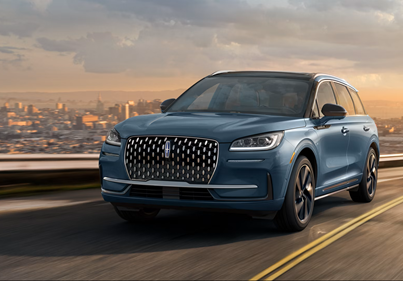
Lincoln vehicle driving on highway with a city skyline

A Lincoln Certified Pre-Owned warranty covers up to 6 years or 100,000 miles from the original new-vehicle warranty start date (Signature-tier) or 12 months or 12,000 miles from purchase date (Select-tier), spanning more than 1,000 components including the engine, transmission, steering, suspension, brakes, electrical system, and climate control. It kicks in once the original factory warranty expires, and repairs carry a $100 deductible per visit under CPO coverage. That protection, paired with a multi-point inspection and Lincoln-backed benefits, is what separates a Lincoln Certified Pre-Owned vehicle from a standard pre-owned purchase. Browse our Certified Pre-Owned Lincoln inventory at Planet Lincoln Dallas Love Field to see what qualifies.

Contact Us

Certified Pre-Owned Lincoln Warranty Coverage at a Glance

Warranty terms vary by CPO tier: Signature-tier vehicles carry a comprehensive limited warranty of up to 6 years or 100,000 miles from the original new-vehicle warranty start date, while Select-tier vehicles carry 12 months or 12,000 miles from the CPO purchase date, both backed by the manufacturer rather than the dealership. There's no separate powertrain warranty in either tier, since the engine, transmission, and drivetrain fall under the same comprehensive term.

The deductible depends on where the vehicle sits in its coverage timeline. Under the CPO program, repairs carry the standard deductible of $100 per visit. Remaining coverage depends on a vehicle's specific in-service date and mileage, so we'd recommend confirming exact terms through a VIN lookup or by contacting our team directly.

Limited Warranty Coverage Explained

The comprehensive limited warranty is intentionally broad. It covers repair or replacement, using genuine Lincoln parts, for more than 1,000 components across the engine, transmission, steering, suspension, brakes, electrical system, and climate control. Warranty terms vary by CPO tier, so buyers should confirm which term applies to their specific vehicle tier (Signature or Select).

Signature-tier buyers who want protection past the standard 6-year/100,000-mile window can add the Lincoln Protect Extended Service Plan, which stretches coverage up to 9 years or 125,000 miles. Select-tier buyers may also consider this option to extend coverage beyond the 12-month/12,000-mile term.

Worth discussing with our finance team if you plan to keep the vehicle well past the standard CPO term. If you're weighing your budget alongside coverage options, our financing application is a good place to start.

The 200-Point Inspection Process

Certification starts with an inspection, and Lincoln uses two tiers depending on the vehicle. Signature-tier vehicles go through a 200-point inspection, while Select-tier vehicles, those up to seven model years old with fewer than 80,000 miles, get a 139-point inspection. Both tiers examine the same core categories, but Signature digs deeper across additional checkpoints.

What Inspectors Check Before Certification

Regardless of tier, our technicians evaluate the engine, transmission, brakes, suspension, steering, and electrical systems, along with tires, wheels, exhaust, and climate control. They also inspect interior and exterior trim, check fluid levels and battery health, and review the vehicle for prior accident damage or rust. Any repairs use genuine Lincoln parts.

Our service center handles every certification inspection in-house, so local Dallas and Love Field-area shoppers can trust that each vehicle in our CPO selection has been evaluated by technicians who work on Lincoln vehicles daily, not a generic pre-owned lot.

24-Hour Roadside Assistance Benefits

Every Lincoln Certified Pre-Owned vehicle includes 24/7 roadside assistance, provided the vehicle is still within 6 years or 70,000 miles of its original warranty start date. Coverage includes:

  • Flat tire changes and jump-starts
  • Fuel delivery, up to two gallons free
  • Towing, up to $100 per visit
  • Lockout assistance, up to $50 per visit
  • Travel expense reimbursement up to $1,000 (lodging, meals, and rental vehicle for up to five days) if a breakdown occurs more than 100 miles from home
  • Destination assistance up to $75

For Love Field-area commuters or anyone racking up regular highway miles, that coverage means a roadside breakdown costs you a phone call instead of your wallet.

Worth noting that roadside coverage runs on a shorter clock than the Signature-tier warranty itself, so a higher-mileage certified vehicle can still carry warranty protection after roadside eligibility ends. Ask us to confirm where a specific vehicle stands.

Vehicle History Report and Transparency

Every certified vehicle comes with a CARFAX Vehicle History Report covering ownership history, accident records, service history, and title status. Paired with the certification inspection, that documentation gives buyers a clear picture of a vehicle's background before they commit, and an unknown history is usually what makes buyers nervous in the first place.

Is the CPO Warranty Transferable to a New Owner?

Yes. The Lincoln Certified Pre-Owned warranty transfers to a new owner; the transferability window depends on the vehicle's tier. Sell your CPO Lincoln before that window closes, and the next owner inherits the remaining coverage. That transferability adds real resale value, since a certified vehicle with active coverage is a stronger sell than a comparable non-certified pre-owned vehicle.

Certified Pre-Owned vs. New vs. Other Pre-Owned Vehicles

Choosing between new, CPO, and standard pre-owned comes down to weighing upfront cost against long-term protection. A new Lincoln carries full factory warranty coverage, but buyers absorb the highest price and the steepest early depreciation. A standard pre-owned vehicle costs less upfront but typically comes without a warranty, without a certification inspection, and without a guaranteed history report.


FeatureNew LincolnLincoln CPOStandard Pre-Owned
WarrantyFull factory warrantySignature: Up to 6 yrs/100,000 mi; Select: 12 months/12,000 mi from purchaseOften none or limited third-party
Deductible$0$0 while original factory coverage remains, then $100 per visitVaries, if any
InspectionN/A (new build)200-point (Signature) or 139-point (Select)Not standardized
CARFAX/History ReportN/AIncludedNot guaranteed
Roadside AssistanceIncluded under factory terms24/7 within 6 yrs/70,000 mi of warranty start dateNot typically included
Money-Back GuaranteeVaries14-day/1,000-mile returnRarely offered
Lincoln Access RewardsVaries20,000 points includedNot applicable

A Lincoln CPO purchase lands between those two options: a lower price than new, with a warranty, inspection process, and documented history that make the experience feel much closer to buying new than picking up a typical pre-owned vehicle.

CPO ownership benefits include:

  • Manufacturer-backed comprehensive limited warranty: up to 6 years/100,000 miles (Signature-tier) or 12 months/12,000 miles from purchase (Select-tier)
  • 200-point (Signature) or 139-point (Select) inspection before certification
  • CARFAX Vehicle History Report included
  • 24/7 roadside assistance within 6 years/70,000 miles of the original warranty start date
  • 14-day/1,000-mile money-back guarantee
  • 20,000 Lincoln Access Rewards points included
  • Warranty transferable to a future owner

Who Benefits Most From a CPO Lincoln

The CPO program suits a wide range of buyers:

  • Families wanting a dependable, roomier vehicle without paying full new-vehicle price find real value in certified inventory.
  • Local Dallas professionals after a refined daily driver with warranty protection, but who don't need the newest model year, often gravitate toward certified options in our showroom.
  • First-time luxury buyers tend to find CPO especially reassuring, since it pairs Lincoln quality with real financial protection already built in.

Common Warranty Questions Answered

What does the CPO warranty cover? More than 1,000 components including the engine, transmission, steering, suspension, brakes, electrical system, and climate control. Signature-tier vehicles are covered for up to 6 years/100,000 miles, while Select-tier vehicles are covered for 12 months/12,000 miles from purchase.

Is there a separate powertrain warranty? No, the powertrain falls under the same comprehensive term.

What's the deductible? $100 per visit under CPO coverage. Repairs completed while the original factory warranty is still in effect carry no deductible.

Can I extend coverage? Yes, through the optional Lincoln Protect Extended Service Plan, up to 9 years/125,000 miles.

Is the warranty transferable? Yes, to a new owner. The transfer window depends on the vehicle's tier: Signature-tier coverage transfers within the 6-year/100,000-mile window, while Select-tier coverage transfers within the 12-month/12,000-mile window from the purchase date.

How do I confirm coverage on a specific vehicle? Ask us for a VIN-specific lookup, since remaining coverage depends on that vehicle's in-service date and mileage.


Browse Certified Pre-Owned Lincoln Inventory at Planet Lincoln Love Field

Explore Current Inventory

If you're ready to start looking, Planet Lincoln Love Field carries a strong selection of Lincoln Certified Pre-Owned vehicles. Our team can walk you through inspection tiers, remaining coverage, and any optional extended protection that fits your ownership plans.

Visit or Contact Us

Sales hours run Monday through Friday, 8:30 AM to 8 PM, and Saturday, 8:30 AM to 6 PM. Service hours are Monday through Friday, 7 AM to 7 PM, and Saturday, 7:30 AM to 5 PM. Visit us at 7767 Lemmon Avenue, Dallas, TX 75209, or call (972) 634-9082 to speak with a team member about current Certified Pre-Owned inventory.

You can also browse our Certified Pre-Owned Lincoln inventory online or apply for financing ahead of your visit.

Photo Courtesy of Lincoln

Posted in:

Recommended Posts

Lincoln SUV parked in a driveway with hedges surrounding it

What Credit Score Do You Need to Finance a Lincoln Vehicle?

There's no magic number that guarantees financing on a Lincoln. Approval comes down to a mix of factors: your income, credit history, debt-to-income ratio, down payment, and whatever guidelines the specific lender you're working with happens to use. A higher score generally gets you better rates, sure, but buyers with all kinds of credit profiles finance Lincolns successfully every day. If you want to see where you stand before setting foot in a showroom, our online finance application will give you a clearer picture of your options. more Most lenders work off the FICO scale, which runs from 300 to 850, though auto lenders sort applicants into their own tiers rather than the general credit categories you might see elsewhere. Buyers near the top usually land the best rates, while those lower down can still get approved, though often at higher interest or with extra conditions attached. And if your own profile doesn't quite hit a lender's threshold, a creditworthy co-applicant can bridge that gap. Contact Us How Auto Lenders Evaluate Your Financing Application Your credit score matters, but lenders rarely stop there. They also weigh income stability, employment history, and your debt-to-income ratio (DTI), which shows how much of your paycheck is already tied up in other obligations. Loan-to-value ratio (LTV), payment-to-income ratio, and how long you've had credit all come into play too. The vehicle itself matters as well. Newer models from established luxury brands like Lincoln tend to hold their value, which lowers the lender's risk and can make approval, or better terms, easier to land. Pair strong credit with steady income and a manageable DTI, and you've got the best possible setup for a smooth financing process. Credit Score Ranges and What Buyers Can Generally Expect Knowing where your score falls helps set realistic expectations before you apply. Auto lenders commonly use these tiers: Credit Score Range Auto Lending Tier General Expectation for Buyers 300–500 Deep Subprime Financing is difficult; typically requires a co-applicant, a substantial down payment, or a specialized subprime lender. Average new-vehicle APRs run around 16%. 501–600 Subprime Financing is available but expensive, averaging roughly 13% APR on new vehicles. Lenders scrutinize DTI and LTV closely. 601–660 Near Prime Approval odds improve, though rates jump noticeably compared to prime, averaging near 10% on new vehicles. 661–780 Prime The most common tier among new-vehicle buyers. Competitive rates and standard terms average around 6.4% APR. 781–850 Super Prime Best available rates, averaging roughly 4.7% APR on new vehicles, and the tier most likely to qualify for promotional offers such as 0% financing when a manufacturer incentive is active on that model. These are general benchmarks, not guarantees. Actual approval, rates, and terms depend on the applicant and the lender. First-Time Buyers First-time buyers run into a specific problem: little or no credit history often gets treated much like poor credit, simply because lenders don't have enough data to judge reliability. A bigger down payment, a creditworthy co-applicant, or solid proof of income and employment can help close that gap. Some lenders will even weigh DTI and payment-to-income ratios when there's no traditional score to look at. Buyers Rebuilding Credit Rebuilding credit doesn't shut the door on financing a Lincoln. You might see higher down payment requirements or steeper rates at first, but consistent, on-time payments on a new loan can move the needle over time. Opening one to three accounts and managing them well, keeping balances low, and checking pre-approval options online are all worth a conversation with our finance team. Financing vs. Leasing: Which Fits Your Credit Profile? Which path is friendlier to a lower credit score depends on the lender. Financing gives lenders more room to restructure a loan around a larger down payment or a longer term, though some argue leasing can be easier to approve because the smaller monthly payment reduces their exposure. What's consistent is that luxury brands set a higher bar than mainstream ones. Most captive lenders want somewhere between 620 and 680 for a lease, but premium brands typically look for 700 or higher, and the best money factors go to applicants above that. And if you're financing over a longer stretch, many lenders look for a stronger credit profile to offset the added risk. Financing gets you to full ownership once the loan's paid off, which makes it the better route if you plan to keep your Lincoln for years and build equity. Leasing usually means a lower monthly payment, since you're only covering depreciation rather than the full purchase price, but it comes with mileage caps and you walk away with nothing at the end. Want to see how current models fit your budget either way? Explore our new Lincoln vehicle lineup before deciding which path suits your situation. Benefits of Getting Pre-Approved Getting pre-approved before you walk into the dealership is one of the smarter moves a buyer can make. It hands you a defined budget and a clear interest rate up front, so there's no guesswork. Pre-approved buyers also move through paperwork faster once they're at the dealership, leaving more time to focus on picking the right vehicle instead of sorting out financing on the spot. Pre-approval puts you in a stronger negotiating position too, since you're not stuck with whatever terms happen to be on the table that day. Our finance team offers online pre-qualification as a low-pressure way to see real terms before you ever step into the showroom. Complete our online finance application whenever you're ready to check where you stand. Steps to Prepare Before Applying Start by pulling your credit report from the major bureaus and looking for errors or outdated information that might be dragging your score down. Disputing inaccuracies before you apply can sometimes bump you into a better tier. Gather your paperwork ahead of time. You'll want proof of identity, income, and insurance, along with your credit report, trade-in documents if you have them, and funds for your down payment. Self-employed applicants should expect to hand over tax returns instead of standard pay stubs. Having all this ready avoids delays and makes you look like an organized, reliable applicant. Ways to Improve Your Approval Odds A handful of practical moves can strengthen your application beyond whatever number shows up on your credit report. A bigger down payment, with 10 to 20 percent a common target, brings your LTV down and reduces the lender's risk. Paying down existing debt improves your DTI. Pulling your credit report and checking for errors before you apply can catch mistakes that might be dragging your score down unfairly. It also pays to shop your application around to a few lenders and compare offers, but timing matters here. Credit scoring models group auto loan inquiries made close together and count them as one, which means several applications in a tight window cost you no more than a single one. Newer FICO versions allow a 45-day window and older versions allow 14 days, while VantageScore uses 14, so keeping all your applications inside a two-week stretch is the safest approach regardless of which model a lender uses. Spreading the same applications across several months is what does the damage. Bringing in a co-applicant is also worth considering if your profile could use the extra support. Trade-In Considerations Trading in your current vehicle cuts down the amount you need to finance, which lowers your LTV and effectively works like part of your down payment. A well-kept trade-in reflects well on your overall profile too. Our finance team can walk you through your trade-in's value and how best to apply it toward your next Lincoln. Checklist: How to Strengthen Your Loan Eligibility Think of this as a pre-application tune-up for your finances: Pay all current bills on time in the months leading up to your application Reduce revolving balances, particularly on credit cards, to lower your utilization ratio Avoid applying for new credit cards or loans in the 60 to 90 days before your auto loan application Save toward a down payment of roughly 10 to 20 percent of the vehicle's price Confirm your employment is stable and consistent Double-check that all financial information on your application is accurate and complete Even small tweaks in preparation can shift your application into a better tier. For guidance tailored to your specific situation, our finance team or a financial advisor can help you map out the right approach. Start Financing Your Lincoln with Planet Lincoln Love Field Why Work With Our Finance Team Planet Lincoln Dallas Love Field, the world's largest Lincoln facility, brings the same care and professionalism to financing that defines the Lincoln brand itself. Located at 7767 Lemmon Avenue in Dallas, TX, the 267,342-square-foot dealership spans six indoor stories and houses a team of finance specialists ready to match your credit profile to the right financing option, whether you're eyeing a new Lincoln Navigator, weighing the Corsair against the Aviator, or looking at a pre-owned model. As a Premier Lincoln Black Label dealer, Planet Lincoln Love Field also offers concierge services and remote delivery for added convenience. Ready to Move Forward? Complete our online finance application to see where you stand, or call 972-634-9082 to speak with our finance team directly. You're also welcome to visit us Monday through Friday from 8:30 AM to 8 PM, or Saturday from 8:30 AM to 6 PM. Approval, terms, and rates vary by applicant and lender, and any figures mentioned here are general industry benchmarks rather than guaranteed offers, so getting pre-qualified remains the most reliable way to see your actual terms before you buy. Photo Courtesy of Lincoln

Lincoln vehicle on the road

What Is Lincoln Black Label? Benefits, Models, and Ownership Experience

Lincoln has long positioned itself as a brand that goes beyond transportation, and within its lineup, one designation stands apart: Black Label. It's the brand's highest luxury trim, built around premium materials, exclusive design themes, elevated technology, and owner benefits that reach well past the vehicle itself. If you've been shopping luxury SUVs and keep bumping into this term, know that it's a full ownership philosophy, with craftsmanship and concierge-level service that follows you long after you leave the showroom. Browse our Lincoln Black Label inventory at Planet Lincoln Dallas Love Field. more Contact Us What Is Lincoln Black Label? Lincoln Black Label pairs artisan-level interior design with exclusive materials and a set of ownership perks most luxury brands save for their top-tier buyers only. Lincoln built the program to raise the quality of every touchpoint, from picking out a vehicle to a routine maintenance visit years down the road. How Black Label Differs From Standard Trims and Reserve Premiere delivers comfort. Reserve adds meaningful refinements. Black Label operates in its own category entirely. The distinction shows up immediately in the materials: hand-finished leather, Alcantara suede, authentic wood accents, and color palettes you won't find on lower configurations. Lincoln builds these into Black Label from the ground up rather than tacking them on later. The bigger separation is in service. Black Label owners get concierge-level support, included premium maintenance, and access to experiences that Reserve and Premiere buyers simply don't have. Reserve works well for people who want elevated comfort, but Black Label buyers are usually chasing something more personal, something closer to a complete experience. Available Lincoln Black Label Models Lincoln currently offers Black Label on three SUVs: the Nautilus, the Aviator, and the Navigator. That gives buyers a midsize option, a three-row option, and a full-size flagship, each carrying the same elevated experience. Lincoln Nautilus Black Label The 2026 Lincoln Nautilus Black Label is built around serenity. Its cabin is genuinely quiet, and the bespoke Aurora interior theme reinforces a calm that's rare in the midsize segment. For anyone logging long commutes, the Nautilus Black Label pairs modern tech with comfort that feels closer to a private suite than a typical car interior. Lincoln Aviator Black Label Performance and luxury meet in the 2026 Lincoln Aviator Black Label. It drives with more energy than its stablemates while keeping the elegance the program is known for. Advanced safety systems and driver-assist tech pair with the exclusive Invitation, Flight, and Moonbeam interior themes, giving the Aviator a sportier, but still refined, personality. Lincoln Navigator Black Label The 2026 Lincoln Navigator Black Label sits at the top of Lincoln's lineup. As the flagship, it delivers space and presence at a scale few vehicles in any segment can match. Expansive interiors, available third-row seating, and the latest technology make it work equally well for family travel and executive transport, all wrapped in the Navigator's own Atmospheric, Enlighten, and Invitation themes. Lincoln Corsair Black Label: Coming Eventually? The Lincoln Corsair doesn't have a confirmed Black Label version yet. There's been speculation about a future Corsair Black Label showing up in a coming model year, but Lincoln hasn't confirmed availability, so we can't speak to specific themes or features. Buyers wanting compact luxury today are better served looking at the Nautilus, Aviator, or Navigator Black Label lineup. Exclusive Interior Themes and Design Craftsmanship One of the best parts of Black Label ownership is choosing from curated interior themes, each designed by Lincoln to evoke a particular mood. The Aviator offers Invitation, Flight, and Moonbeam; the Navigator offers Atmospheric, Enlighten, and Invitation; and the Nautilus offers Aurora and Chalet interior themes. These themes use materials like Opulence leather and Alcantara suede, chosen for how they age over years of use, not just how they look on day one. The craftsmanship is deliberate. Stitching patterns, trim placements, and surface finishes all coordinate within each theme for one cohesive feel. Stepping into a Black Label vehicle puts you in a space Lincoln designed to make time inside something you look forward to, not just tolerate. You can explore Lincoln Black Label at Planet Lincoln Love Field to see these themes in person. Black Label vs. Reserve vs. Premiere: How They Compare The clearest way to understand what sets Black Label apart is to look at how its features and included services stack up against Reserve and Premiere. Feature Premiere Reserve Black Label Interior Themes Standard Standard Exclusive, designer-curated themes Front Seat Adjustment 24-way 24-way Perfect Position seats with Active Motion massage (30-way on Aviator and Navigator; 24-way on Nautilus) Seat Features Standard Standard Active Motion massage + power thigh extenders Second-Row Seats Standard Heated Heated & ventilated captain's chairs Third-Row Seats Standard Standard Heated with premium leather surfaces Materials Standard leather Premium leather Opulence leather, Alcantara suede, authentic wood Premium Maintenance Not included Not included 4-Year/50,000-Mile Premium Maintenance Car Washes Not included Not included Complimentary anytime Service Pickup Not included Not included Lincoln Pickup & Delivery with loaner Access Rewards Standard tier Standard tier Elevated tier, higher points, exclusive awards Black Label isn't just a better-equipped vehicle. It's a different relationship with the brand entirely. Service Perks and Warranty Coverage Service convenience is one of the most valued parts of the Black Label program. Lincoln Pickup & Delivery means your vehicle gets serviced without disrupting your schedule; Lincoln handles the logistics and hands you a complimentary loaner so you don't have to rearrange a workday around a service visit. Paired with the included Premium Maintenance, routine care ends up feeling like part of the luxury experience instead of a chore squeezed into it. Lincoln Black Label Ownership Benefits Black Label membership includes a range of manufacturer-provided benefits designed to remove friction from everyday ownership: 4-Year/50,000-Mile Premium Maintenance covering oil changes, tire rotations, multipoint inspections, and wear items such as brake pads, wiper blades, engine belts, hoses, and shock absorbers Complimentary anytime car washes at participating Black Label retailers, plus annual detailing Lincoln Pickup & Delivery for Service, including pickup, a complimentary loaner, and return after service Remote new vehicle delivery, along with access to a mobile showroom for shopping on your own schedule A dedicated Lincoln Black Label Experience Liaison serving as your single point of contact from first inquiry through delivery Lincoln Access Rewards at the Black Label tier, with 70,000 points on purchase or lease, early access to redeem from the rewards collection, and exclusive rewards and experiences unavailable to other tiers Access to the Culinary Collection, Lincoln's curated network of restaurants nationwide, with the complimentary experience claimed within the first year of ownership A complimentary one-year Calm membership, activated through the Lincoln app on a registered vehicle Who Should Consider Black Label Black Label tends to resonate with a few types of buyers. Busy executives who value the time savings of Lincoln Pickup & Delivery and 24/7 concierge support often find the program pays for itself in convenience alone. Luxury SUV families cross-shopping the Aviator or Navigator appreciate the heated third-row seating and premium materials that hold up to daily use. Trade-up buyers moving from a Reserve or Premiere model typically notice the jump in personalization right away, whether it's the curated interior themes or the elevated Access Rewards tier. Is Black Label Worth the Investment? For the right buyer, yes. If you care about craftsmanship, personalized service, and a vehicle that fits your lifestyle, Black Label earns its place. The design themes, premium materials, included maintenance, and concierge support add up to a value proposition that holds up on its own. Buyers who see a car purely as a practical appliance may find less reason to upgrade, but drivers who notice the gap between hand-finished leather and standard upholstery, or who'd rather have their car picked up for service than sit in a waiting room, will find Black Label delivers something genuinely different. Experience Lincoln Black Label at Planet Lincoln Love Field Planet Lincoln Love Field is the world's largest Lincoln facility and one of the best places in the country to experience the Black Label program in person. Located at the historic former Braniff International Airways facility near Dallas Love Field, this 267,342-square-foot dealership has six indoor stories of vehicle selection, giving buyers room to compare models, explore design themes, and take the time needed to make an informed decision. Concierge Touches at Planet Lincoln Love Field Our team offers private fittings and remote delivery, running a buying process that mirrors the ownership experience Black Label promises. Owned by Randall, Sherry, and Shelby Reed, Planet Lincoln has served over one million customers and built its reputation on personalized service spanning more than 30 years. Whether you're drawn to the Nautilus Black Label, Aviator Black Label, or the flagship Navigator Black Label, our team can walk you through every detail of the selection process. Visit or Reach Out We're located at 7767 Lemmon Avenue, Dallas, TX 75209. Sales hours run Monday through Friday from 8:30 AM to 8 PM and Saturday from 8:30 AM to 6 PM; service is available Monday through Friday from 7 AM to 7 PM and Saturday from 7:30 AM to 5 PM. Browse our current Black Label selection, or contact us online to schedule a visit or start a conversation with our team. Photo Courtesy of Lincoln

Vehicle technician check under a car

What Does a Full Vehicle Inspection Include and Why It Matters in Texas

Texas drivers no longer need an annual safety inspection sticker to register a personal vehicle, but that doesn't mean skipping routine checkups is a good idea. A full vehicle inspection still catches worn brake pads, aging batteries, and fluid leaks before they turn into expensive repairs. Whether you're driving a Corsair through Dallas traffic or logging highway miles in a Navigator, knowing what a full vehicle inspection Texas drivers rely on actually covers can spare you an expensive repair bill and a bad afternoon on the shoulder of I-35. If you're ready to get ahead of wear and tear, you can schedule a vehicle inspection with our service team at Planet Lincoln Dallas Love Field. more What a Full Vehicle Inspection Covers and Why It Matters in Texas As of January 1, 2025, Texas no longer requires a state safety inspection for non-commercial vehicles before registration. This change came from HB 3297, passed by the 88th Legislature and signed into law in 2023. Vehicles registered in a designated emissions county still need an annual emissions inspection, and commercial vehicles across the state still require a safety inspection, along with the federal annual inspection that applies to commercial fleets. Requirements vary by county and vehicle type, so we'd recommend confirming your specific requirements with the Texas Department of Public Safety (DPS) or Texas DMV. This article is general information, not legal or regulatory advice. Even without the old safety inspection requirement, the actual mechanical condition of your vehicle hasn't changed, and neither has the wear that comes from Texas roads and heat. A multi-point inspection gives you a clear, documented picture of your vehicle's health that the old state inspection never really provided. At our Lincoln service center, we walk through brakes, tires, fluids, battery, suspension, lights, filters, and onboard diagnostics so nothing gets missed. Brake System Inspection Brakes are one of the first systems we look at during any full vehicle inspection. Our technicians check rotors for rough spots, warping, or visible damage, examine rubber brake hoses for cracking, and inspect metal brake lines for corrosion or leaks. These components tend to fail quietly, without an obvious warning, until you're pressing the pedal in stop-and-go Dallas traffic and noticing a difference. Recommended Inspection Intervals We generally recommend having brake pads, rotors, lines, hoses, and the parking brake checked around every 10,000 miles. At roughly 15,000 miles, it's worth having brakes and suspension evaluated together, since the two systems affect each other. By 60,000 miles, rotors and brake components often need a closer look regardless of how the pedal feels, since wear isn't always noticeable behind the wheel. Tire Inspection and Rotation Tires take a beating on Texas highways, and tread depth is the simplest indicator of how much grip you have left. We recommend replacing tires once tread reaches 4/32 of an inch, and they're considered worn out at 2/32 of an inch or once the built-in wear indicator becomes visible. A quick way to check this yourself is the penny test: insert a penny with Lincoln's head upside down into the tread groove. If you can see the entire head, your tread has worn down to 2/32 of an inch or less and it's time for new tires. Uneven wear patterns across a tire often point to improper inflation or misalignment, both of which we check during a full inspection. Texas heat adds another variable: tire pressure rises by about 1 PSI for every 10-degree increase in temperature, and overinflation shrinks the tire's contact patch with the road, which raises blowout risk on long summer drives. Signs Your Tires Need Immediate Attention A few warning signs shouldn't wait for your next scheduled visit. Bulges, bubbles, or cracks along the sidewall signal structural damage that can lead to sudden failure. Vibration in the steering wheel or seat while driving often points to tire or wheel issues that need prompt attention. It's also worth checking the DOT code molded into the sidewall. If a tire is 6 to 10 years old or older, age alone can compromise it even if tread looks fine. We suggest inspecting tires once they hit the 5- to 6-year mark, checking annually after that, and replacing them by year 10 regardless of appearance. Battery and Electrical System Checks Texas heat is brutal on batteries. Under-hood temperatures here climb well above what batteries see in cooler climates, and that constant heat stress shortens battery life significantly. A battery might last five years in a milder climate, but North Texas conditions often bring that down to closer to three years. During a full inspection, we look for slow cranking, dimming headlights, and corrosion at the battery terminals. These are early signs that a replacement may be needed before you're left stranded in a parking lot in July. Fluid Levels and Quality Checks A full vehicle inspection reviews oil, coolant, brake fluid, transmission fluid, power steering fluid, and washer fluid for both level and condition. Heat accelerates evaporation and chemical breakdown, so fluids that would hold up fine in a cooler climate can degrade faster here. Low coolant, worn hoses, or a failing thermostat can cause a vehicle to overheat quickly, especially during a long summer drive across North Texas. Any remaining state requirements today are limited to emissions testing in applicable counties, so it's worth confirming current rules directly with the Texas DMV rather than relying on older inspection standards. Suspension and Steering Inspection Suspension components take on more importance than most drivers realize, especially given the road conditions across Dallas-Fort Worth. Our technicians inspect shocks, struts, linkage, and tie rods for wear, leaks, and excess play. A simple way to spot trouble at home is the bounce test: push down firmly on the vehicle's bumper and release it. If it bounces more than twice before settling, that's often a sign of worn shocks or struts. We also check wheel alignment, since misalignment contributes to the uneven tire wear mentioned earlier. Lights, Belts, and Hoses Every full inspection includes a check of headlights, taillights, turn signals, brake lights, and reflectors to confirm they're working and properly aimed. Belts get checked for cracking, fraying, or looseness, while hoses are inspected for secure connections and physical damage. Texas heat commonly turns coolant brown over time and softens rubber hoses, so this is an area where climate-driven wear shows up faster than drivers expect. Filters and Diagnostic Checks A dirty air filter forces the engine to work harder and burn more fuel than it should, so we check filter condition as part of every inspection. We also scan the onboard diagnostics (OBD) system for stored trouble codes and run an engine diagnostic that evaluates the engine, exhaust, transmission, and brakes together. This step often catches issues before they trigger a dashboard warning light. How Texas Heat and Long-Distance Driving Affect Vehicle Health Cooling-system and battery failures account for roughly 40% of summer vehicle breakdowns in Texas, and most of them are preventable with routine attention. The extreme under-hood heat and shorter battery lifespans typical of North Texas summers are good reasons to schedule regular checkups instead of waiting for a warning light. Long highway commutes across Dallas-Fort Worth pile on additional wear: tire pressure swings with the heat, and fluids break down faster than they would elsewhere. UV exposure adds another layer, gradually oxidizing clear coat and fading paint over years of Texas sun. Our technicians see these patterns constantly, and it's part of why a full vehicle inspection built for Texas heat and traffic conditions looks different from one in a milder climate. Multi-Point Inspection Checklist and Component Breakdown Our multi-point inspection breaks down by component like this: Component What Technicians Evaluate Brakes Rotors, pads, rubber hoses, metal lines, parking brake Tires Tread depth, sidewall condition, inflation, alignment-related wear, DOT age code Battery Cranking strength, terminal corrosion, overall charge and condition Fluids Oil, coolant, brake fluid, transmission fluid, power steering fluid, washer fluid Suspension & Steering Shocks, struts, linkage, tie rods, wheel alignment Lights Headlights, taillights, turn signals, brake lights, reflectors Belts & Hoses Cracking, fraying, looseness, secure connections, hose condition Filters Air filter condition and airflow restriction Diagnostics OBD trouble codes, engine, exhaust, transmission, and brake performance For a quick reference, our multi-point inspection checklist generally includes: Brake pads, rotors, and lines Tire tread depth and pressure Battery health and terminal condition All major fluid levels and quality Suspension and steering components Exterior lighting function Belts and hoses Air filter condition OBD diagnostic scan This gives you a clear picture beyond what any older state inspection checklist once required, since a dealership multi-point inspection digs deeper into mechanical condition rather than a basic pass/fail check. Benefits of Preventative Maintenance Staying ahead of wear pays off in ways that go beyond avoiding a breakdown: Better fuel economy. Proper maintenance can improve efficiency by 4 to 40%, according to Department of Energy estimates, depending on the issue addressed Stronger resale value. Vehicles with documented maintenance history tend to sell for 10 to 20% more, a real consideration if you're planning to trade in or sell down the road Avoided repair costs. Neglected oil changes can lead to engine failure costing as much as $10,000 to repair, while ignored brake issues can result in failures costing $500 or more Fewer roadside calls. Most roadside assistance situations are preventable with regular inspections Longer vehicle life. With proper care, modern vehicles can exceed 200,000 miles Easier CPO qualification. A documented inspection and service history makes it easier to qualify for Lincoln Certified Pre-Owned status if you decide to sell through a Lincoln dealer later If you're weighing a trade-in now, it's worth comparing your options by exploring our new Lincoln inventory to see what fits your next chapter. Schedule Your Full Vehicle Inspection at Planet Lincoln Love Field Why Drivers Choose Our Service Center Our team includes factory-trained certified technicians who are part of a network of more than 35,000 professionals dedicated to Lincoln vehicles, so your Corsair, Nautilus, Aviator, Continental, or Navigator is handled by people who know these models inside and out. We use premium parts backed by parts and labor warranties, and we've built in conveniences like Lincoln Pickup & Delivery, a complimentary Lincoln Loaner, a client lounge with Wi-Fi, and a mobile service van to make service fit your schedule rather than the other way around. Book Your Visit Given how hard Texas heat is on batteries, cooling systems, and tires, a full vehicle inspection Texas drivers can count on is one of the simplest ways to avoid a summer breakdown. Visit us at 7767 Lemmon Avenue, Dallas, TX 75209, or schedule service online today to get your Lincoln checked by a team that understands North Texas driving conditions as well as we understand Lincoln vehicles. Photo of Mechanic inspecting a raised car in an auto workshop for maintenance and repair services. by Artem Podrez is licensed with Pexels License.