


Texas drivers no longer need an annual safety inspection sticker to register a personal vehicle, but that doesn’t mean skipping routine checkups is a good idea. A full vehicle inspection still catches worn brake pads, aging batteries, and fluid leaks before they turn into expensive repairs. Whether you’re driving a Corsair through Dallas traffic or logging highway miles in a Navigator, knowing what a full vehicle inspection Texas drivers rely on actually covers can spare you an expensive repair bill and a bad afternoon on the shoulder of I-35.
If you’re ready to get ahead of wear and tear, you can schedule a vehicle inspection with our service team at Planet Lincoln Dallas Love Field.
What a Full Vehicle Inspection Covers and Why It Matters in Texas
As of January 1, 2025, Texas no longer requires a state safety inspection for non-commercial vehicles before registration. This change came from HB 3297, passed by the 88th Legislature and signed into law in 2023. Vehicles registered in a designated emissions county still need an annual emissions inspection, and commercial vehicles across the state still require a safety inspection, along with the federal annual inspection that applies to commercial fleets. Requirements vary by county and vehicle type, so we’d recommend confirming your specific requirements with the Texas Department of Public Safety (DPS) or Texas DMV. This article is general information, not legal or regulatory advice.
Even without the old safety inspection requirement, the actual mechanical condition of your vehicle hasn’t changed, and neither has the wear that comes from Texas roads and heat. A multi-point inspection gives you a clear, documented picture of your vehicle’s health that the old state inspection never really provided. At our Lincoln service center, we walk through brakes, tires, fluids, battery, suspension, lights, filters, and onboard diagnostics so nothing gets missed.
Brake System Inspection
Brakes are one of the first systems we look at during any full vehicle inspection. Our technicians check rotors for rough spots, warping, or visible damage, examine rubber brake hoses for cracking, and inspect metal brake lines for corrosion or leaks. These components tend to fail quietly, without an obvious warning, until you’re pressing the pedal in stop-and-go Dallas traffic and noticing a difference.
Recommended Inspection Intervals
We generally recommend having brake pads, rotors, lines, hoses, and the parking brake checked around every 10,000 miles. At roughly 15,000 miles, it’s worth having brakes and suspension evaluated together, since the two systems affect each other. By 60,000 miles, rotors and brake components often need a closer look regardless of how the pedal feels, since wear isn’t always noticeable behind the wheel.
Tire Inspection and Rotation
Tires take a beating on Texas highways, and tread depth is the simplest indicator of how much grip you have left. We recommend replacing tires once tread reaches 4/32 of an inch, and they’re considered worn out at 2/32 of an inch or once the built-in wear indicator becomes visible. A quick way to check this yourself is the penny test: insert a penny with Lincoln’s head upside down into the tread groove. If you can see the entire head, your tread has worn down to 2/32 of an inch or less and it’s time for new tires.
Uneven wear patterns across a tire often point to improper inflation or misalignment, both of which we check during a full inspection. Texas heat adds another variable: tire pressure rises by about 1 PSI for every 10-degree increase in temperature, and overinflation shrinks the tire’s contact patch with the road, which raises blowout risk on long summer drives.
Signs Your Tires Need Immediate Attention
A few warning signs shouldn’t wait for your next scheduled visit. Bulges, bubbles, or cracks along the sidewall signal structural damage that can lead to sudden failure. Vibration in the steering wheel or seat while driving often points to tire or wheel issues that need prompt attention. It’s also worth checking the DOT code molded into the sidewall. If a tire is 6 to 10 years old or older, age alone can compromise it even if tread looks fine. We suggest inspecting tires once they hit the 5- to 6-year mark, checking annually after that, and replacing them by year 10 regardless of appearance.
Battery and Electrical System Checks
Texas heat is brutal on batteries. Under-hood temperatures here climb well above what batteries see in cooler climates, and that constant heat stress shortens battery life significantly. A battery might last five years in a milder climate, but North Texas conditions often bring that down to closer to three years. During a full inspection, we look for slow cranking, dimming headlights, and corrosion at the battery terminals. These are early signs that a replacement may be needed before you’re left stranded in a parking lot in July.
Fluid Levels and Quality Checks
A full vehicle inspection reviews oil, coolant, brake fluid, transmission fluid, power steering fluid, and washer fluid for both level and condition. Heat accelerates evaporation and chemical breakdown, so fluids that would hold up fine in a cooler climate can degrade faster here. Low coolant, worn hoses, or a failing thermostat can cause a vehicle to overheat quickly, especially during a long summer drive across North Texas.
Any remaining state requirements today are limited to emissions testing in applicable counties, so it’s worth confirming current rules directly with the Texas DMV rather than relying on older inspection standards.
Suspension and Steering Inspection
Suspension components take on more importance than most drivers realize, especially given the road conditions across Dallas-Fort Worth. Our technicians inspect shocks, struts, linkage, and tie rods for wear, leaks, and excess play. A simple way to spot trouble at home is the bounce test: push down firmly on the vehicle’s bumper and release it. If it bounces more than twice before settling, that’s often a sign of worn shocks or struts. We also check wheel alignment, since misalignment contributes to the uneven tire wear mentioned earlier.
Lights, Belts, and Hoses
Every full inspection includes a check of headlights, taillights, turn signals, brake lights, and reflectors to confirm they’re working and properly aimed. Belts get checked for cracking, fraying, or looseness, while hoses are inspected for secure connections and physical damage. Texas heat commonly turns coolant brown over time and softens rubber hoses, so this is an area where climate-driven wear shows up faster than drivers expect.
Filters and Diagnostic Checks
A dirty air filter forces the engine to work harder and burn more fuel than it should, so we check filter condition as part of every inspection. We also scan the onboard diagnostics (OBD) system for stored trouble codes and run an engine diagnostic that evaluates the engine, exhaust, transmission, and brakes together. This step often catches issues before they trigger a dashboard warning light.
How Texas Heat and Long-Distance Driving Affect Vehicle Health
Cooling-system and battery failures account for roughly 40% of summer vehicle breakdowns in Texas, and most of them are preventable with routine attention. The extreme under-hood heat and shorter battery lifespans typical of North Texas summers are good reasons to schedule regular checkups instead of waiting for a warning light. Long highway commutes across Dallas-Fort Worth pile on additional wear: tire pressure swings with the heat, and fluids break down faster than they would elsewhere. UV exposure adds another layer, gradually oxidizing clear coat and fading paint over years of Texas sun.
Our technicians see these patterns constantly, and it’s part of why a full vehicle inspection built for Texas heat and traffic conditions looks different from one in a milder climate.
Multi-Point Inspection Checklist and Component Breakdown
Our multi-point inspection breaks down by component like this:
| Component | What Technicians Evaluate |
| Brakes | Rotors, pads, rubber hoses, metal lines, parking brake |
| Tires | Tread depth, sidewall condition, inflation, alignment-related wear, DOT age code |
| Battery | Cranking strength, terminal corrosion, overall charge and condition |
| Fluids | Oil, coolant, brake fluid, transmission fluid, power steering fluid, washer fluid |
| Suspension & Steering | Shocks, struts, linkage, tie rods, wheel alignment |
| Lights | Headlights, taillights, turn signals, brake lights, reflectors |
| Belts & Hoses | Cracking, fraying, looseness, secure connections, hose condition |
| Filters | Air filter condition and airflow restriction |
| Diagnostics | OBD trouble codes, engine, exhaust, transmission, and brake performance |
For a quick reference, our multi-point inspection checklist generally includes:
- Brake pads, rotors, and lines
- Tire tread depth and pressure
- Battery health and terminal condition
- All major fluid levels and quality
- Suspension and steering components
- Exterior lighting function
- Belts and hoses
- Air filter condition
- OBD diagnostic scan
This gives you a clear picture beyond what any older state inspection checklist once required, since a dealership multi-point inspection digs deeper into mechanical condition rather than a basic pass/fail check.
Benefits of Preventative Maintenance
Staying ahead of wear pays off in ways that go beyond avoiding a breakdown:
- Better fuel economy. Proper maintenance can improve efficiency by 4 to 40%, according to Department of Energy estimates, depending on the issue addressed
- Stronger resale value. Vehicles with documented maintenance history tend to sell for 10 to 20% more, a real consideration if you’re planning to trade in or sell down the road
- Avoided repair costs. Neglected oil changes can lead to engine failure costing as much as $10,000 to repair, while ignored brake issues can result in failures costing $500 or more
- Fewer roadside calls. Most roadside assistance situations are preventable with regular inspections
- Longer vehicle life. With proper care, modern vehicles can exceed 200,000 miles
- Easier CPO qualification. A documented inspection and service history makes it easier to qualify for Lincoln Certified Pre-Owned status if you decide to sell through a Lincoln dealer later
If you’re weighing a trade-in now, it’s worth comparing your options by exploring our new Lincoln inventory to see what fits your next chapter.
Schedule Your Full Vehicle Inspection at Planet Lincoln Love Field
Why Drivers Choose Our Service Center
Our team includes factory-trained certified technicians who are part of a network of more than 35,000 professionals dedicated to Lincoln vehicles, so your Corsair, Nautilus, Aviator, Continental, or Navigator is handled by people who know these models inside and out. We use premium parts backed by parts and labor warranties, and we’ve built in conveniences like Lincoln Pickup & Delivery, a complimentary Lincoln Loaner, a client lounge with Wi-Fi, and a mobile service van to make service fit your schedule rather than the other way around.
Book Your Visit
Given how hard Texas heat is on batteries, cooling systems, and tires, a full vehicle inspection Texas drivers can count on is one of the simplest ways to avoid a summer breakdown. Visit us at 7767 Lemmon Avenue, Dallas, TX 75209, or schedule service online today to get your Lincoln checked by a team that understands North Texas driving conditions as well as we understand Lincoln vehicles.
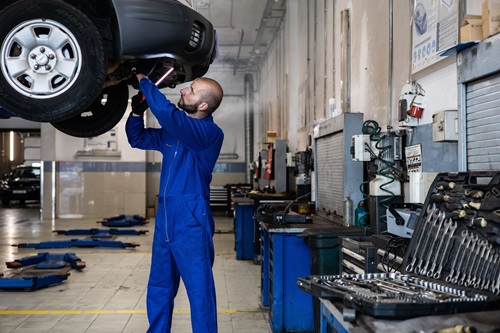
Photo of Mechanic inspecting a raised car in an auto workshop for maintenance and repair services. by Artem Podrez is licensed with Pexels License.
Connect with us


