Planet Lincoln Love Field

Blog / Lincoln News and Updates

Biggest Vehicle Redesigns in Lincoln History

2026 Lincoln Navigator driving down the road

A major redesign goes well beyond fresh paint or updated tech. The biggest redesigns in Lincoln history completely transformed how luxury vehicles were thought about, built, and experienced. These pivotal moments brought new platforms, introduced innovations that created entire segments, or established iconic styling elements that influenced automotive design for decades.

Here at Planet Lincoln Dallas Love Field, we see this evolution play out daily through our inventory spanning decades of Lincoln's legacy. From vintage models that occasionally show up in our pre-owned inventory to the latest 2026 lineup, each major redesign shows Lincoln's commitment to sophisticated luxury and forward-thinking engineering. These transformations didn't just reshape the brand. They changed the entire luxury automotive landscape, setting standards competitors spent years trying to match.

Contact Us

What Defines a Major Redesign in Lincoln History

Looking at Lincoln's design evolution reveals more than just automotive history. It shows how American luxury adapted to changing times while keeping its unwavering focus on elegance, craftsmanship, and smart engineering. From coachbuilt refinement through personal luxury dominance to versatile SUV leadership and today's technology-forward approach, each era built on the foundation established by visionary thinking and careful execution.

Early Innovations: The Lincoln-Zephyr and Original Continental (1936-1939)

Revolutionary Streamlined Design

The 1936 Lincoln-Zephyr arrived during the Great Depression with a bold proposition: make luxury accessible through smart engineering. Its 267 cubic inch V12 engine produced 110 horsepower while streamlined unibody construction cut weight and improved aerodynamics. The Zephyr's flowing lines represented a complete rethink of how cars were built, aligning with industrial design trends that emphasized function and beauty working together.

While competitors stuck with traditional body-on-frame construction, Lincoln embraced integrated design. The Zephyr's teardrop shape and unified design language established principles that would influence Lincoln's approach for decades. This methodology made luxury more attainable without compromising the refinement expected from Lincoln.

Birth of the Continental Icon

When Edsel Ford commissioned a custom vehicle for his 1939 Florida vacation, he accidentally created an automotive icon. The original Continental used the same 267 cubic inch V12 as the Zephyr but wrapped it in understated elegance that contrasted sharply with the era's flashy styling. Clean slab-sided panels, minimal ornamentation, and the signature continental spare tire kit made a sophisticated statement that clicked with discerning buyers.

This wasn't mass production. The Continental represented custom luxury for those who appreciated restraint over show. Its design philosophy established the Continental nameplate as Lincoln's premium expression of refined taste, a tradition continuing in our current lineup.

Mid-Century Masterpieces: The Mark II and 1961 Continental

The Ultra-Luxury Mark II Revival

The 1956 Continental Mark II entered territory where only Rolls-Royce and Bentley competed. At $9,966 base price (nearly double contemporary Cadillacs), Lincoln's ultra-luxury intentions were crystal clear. The 368 cubic inch V8 delivering 285 horsepower provided smooth performance, but the Mark II's appeal went way beyond specs.

Hand-assembled in a dedicated facility, every Mark II received careful attention to detail. Approximately 2,550 units were produced in 1956, with the 1957 model adding 444 more and increasing output to 300 horsepower, bringing total production across both years to just under 3,000 units. This exclusivity reflected Lincoln's commitment to quality over quantity, making the Mark II a collector's treasure that occasionally surfaces in the pre-owned market.

Kennedy-Era Transformation and Suicide Doors

The 1961 Continental redefined American luxury through elegant simplicity. Its 430 cubic inch V8 generated 300 horsepower through a 123-inch wheelbase, but the real innovation was those center-opening suicide doors. Beyond their dramatic visual impact, they demonstrated thoughtful design addressing both accessibility and presence.

This Continental became the presidential limousine, forever linking Lincoln to American prestige and power. The clean lines, tasteful chrome work, and balanced proportions created timeless appeal that influenced luxury automotive design worldwide. Today's Lincoln models echo this philosophy in every carefully considered detail.

The Personal Luxury Era: Mark III Through the 1980s

The 1969 Continental Mark III launched Lincoln's personal luxury dynasty with serious confidence. Its 460 cubic inch V8 produced 365 horsepower while hidden headlights and a Rolls-Royce-inspired grille projected presence without pretension. This represented more than transportation. It was a statement about success and discernment.

Through the Mark IV, Mark V, and later iterations, Lincoln refined this formula. Long hoods, formal rooflines, and rich interiors appealed to executives and entrepreneurs seeking both comfort and performance. These models exemplified when American luxury meant generous proportions, powerful engines, and appointments matching any European competitor. The personal luxury segment Lincoln pioneered established expectations for comfort and refinement that continue shaping our customer experience approach at Planet Lincoln Love Field.

Redefining Luxury Transportation: Navigator and Aviator

Navigator: Pioneering the Luxury SUV Segment

When the 1998 Navigator arrived with its 5.4-liter Triton V8 producing 230 horsepower, Lincoln didn't just launch a vehicle. They created the full-size luxury SUV segment. Combining the Navigator's commanding presence with refined appointments previously reserved for luxury sedans demonstrated a visionary understanding of how families wanted to travel.

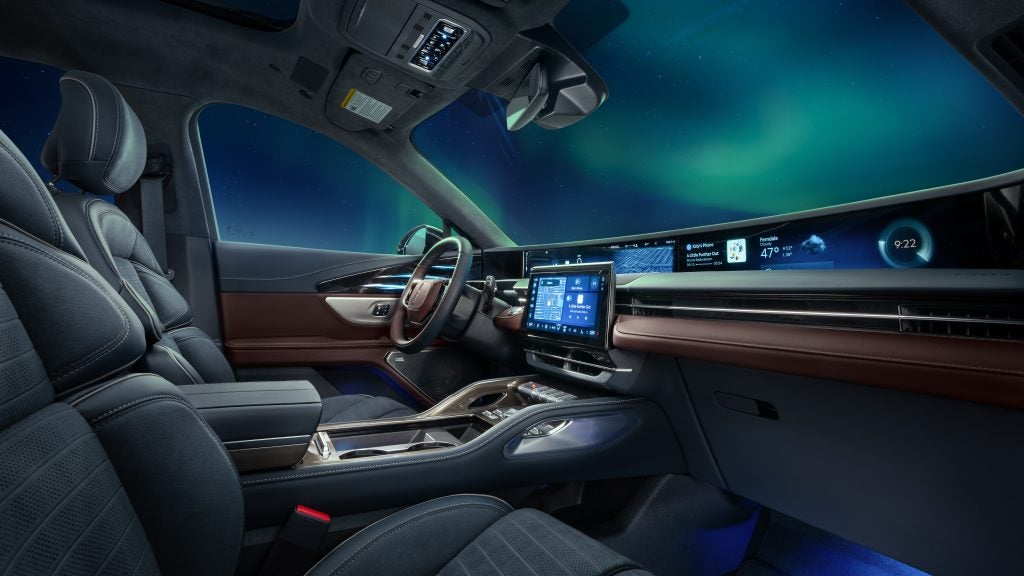
The Navigator's success wasn't accidental. Lincoln recognized that luxury buyers desired versatility alongside elegance, capability alongside comfort. This insight transformed the automotive landscape, forcing every luxury manufacturer to develop SUV offerings. Today, the 2026 Navigator continues this legacy with a 3.5-liter twin-turbo V6 delivering 440 horsepower, digital cockpit technology, and advanced driver assistance systems that honor the nameplate's pioneering spirit while meeting contemporary expectations.

Aviator: Expanding the Luxury SUV Vision

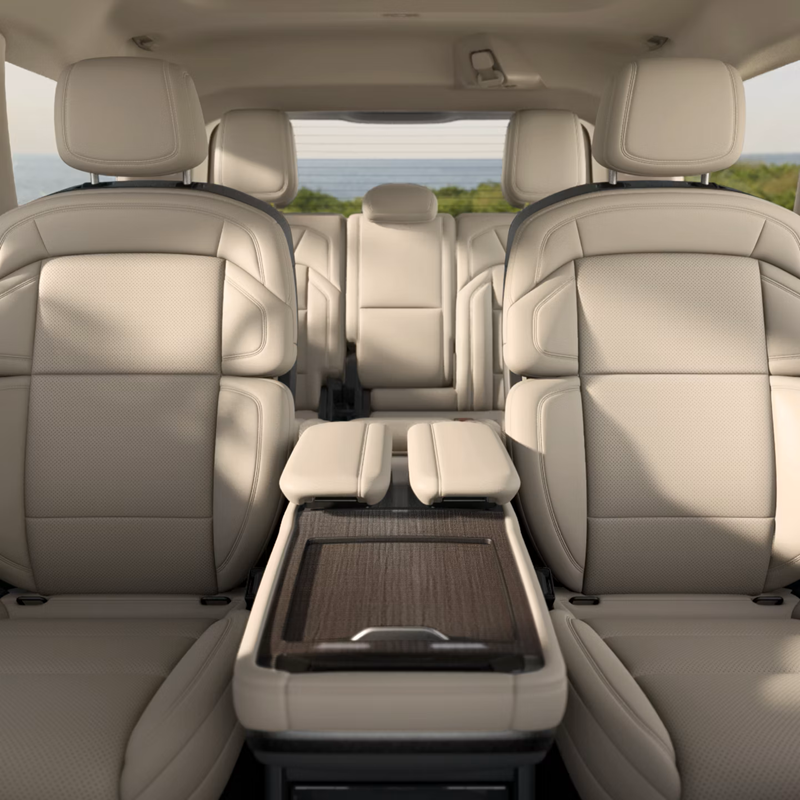
The 2003 Aviator introduced midsize luxury SUV versatility with a 4.6-liter V8 producing 302 horsepower and standard three-row seating. While initially more focused than the Navigator, the Aviator concept proved smart. Lincoln understood that not every luxury buyer needed full-size proportions, yet none would accept compromised refinement or quality.

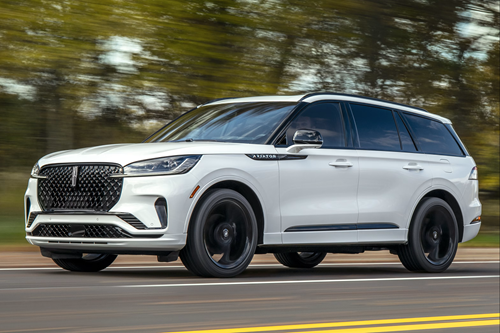
The modern Aviator demonstrates this evolution perfectly. Its standard 3.0-liter twin-turbo V6 generates 400 horsepower while sustainable materials and expansive screens address contemporary priorities without sacrificing the tailored luxury Lincoln represents. At our Dallas facility near Love Field, we witness families discovering how the Aviator balances sophistication with practical versatility.

Lincoln's Modern Renaissance: 2017 Continental to the 2026 Lineup

Return to Flagship Elegance

The 2017 Continental marked Lincoln's return to flagship sedan territory with clear purpose and polish. Built on an all-new platform, it offered three powertrains: a standard 3.7-liter V6 producing 305 horsepower, an available 2.7-liter twin-turbo V6 producing 335 horsepower, and a top 3.0-liter twin-turbo V6 delivering 400 horsepower. The fastback roofline echoed streamlined heritage while adaptive suspension and contemporary technology addressed modern luxury expectations.

This Continental went beyond nostalgia. Lincoln proved that sedan elegance remained relevant when executed with conviction and contemporary sophistication. Classic proportions met modern engineering, creating a vehicle that honored history without being constrained by it.

The Complete 2026 Vision

The comprehensive 2026 Lincoln Vehicle lineup builds on this renaissance. Navigator, Aviator, Nautilus, and Corsair each express Lincoln's evolved design language while addressing specific customer needs. This represents not simply product expansion but a complete vision for how luxury transportation adapts to contemporary life.

Digital cockpits, sustainable materials, and advanced safety systems define the technical specs, but the real story remains Lincoln's understanding that luxury means anticipating needs before they're expressed. Our team here in Dallas has witnessed how the 2026 models balance heritage with innovation, creating experiences that honor Lincoln's legacy while embracing future possibilities.

Experience Lincoln's Legacy at Planet Lincoln Love Field

Ninety years of design innovation converge at our Dallas Love Field facility. As one of the largest Lincoln dealerships in the country, we offer unique perspective on how the brand evolved from the streamlined Lincoln-Zephyr to today's technology-forward Navigator.

Whether exploring our new Lincoln inventory, discovering Lincoln Certified Pre-Owned vehicles that maintain Lincoln's quality standards, or discussing what makes each generation distinctive, our approach stays focused on your needs. The same attention to detail that defined the Continental Mark II's hand-assembly guides our service today.

We invite you to experience how Lincoln's biggest redesigns translate into your driving reality. Contact our team or give us a call at 972-634-9082 to discover how heritage meets innovation at 7767 Lemmon Avenue, where every Lincoln model tells part of this remarkable story.


Frequently Asked Questions About Lincoln’s Biggest Vehicle Redesigns

▶ What qualifies as a major redesign in Lincoln history?

A major redesign goes beyond styling updates and includes new platforms, engineering breakthroughs, or segment-defining innovations. These redesigns often reshape how luxury vehicles are built and experienced.


▶ Why was the 1936 Lincoln-Zephyr considered revolutionary?

The Lincoln-Zephyr introduced streamlined unibody construction and aerodynamic design, moving away from traditional body-on-frame builds. It made luxury more accessible while improving efficiency and performance.


▶ What made the original Lincoln Continental so important?

The 1939 Continental introduced clean, minimalist styling and understated luxury. Its design set the tone for Lincoln’s premium identity and became one of the most iconic luxury car designs in history.


▶ How did the 1956 Continental Mark II redefine luxury?

The Continental Mark II focused on hand-built craftsmanship and exclusivity, with fewer than 3,000 units produced. It positioned Lincoln alongside ultra-luxury brands with a focus on quality over volume.


▶ What was unique about the 1961 Lincoln Continental redesign?

The 1961 Continental featured center-opening “suicide doors” and clean, balanced styling. It became a symbol of American luxury and was used as a presidential limousine, reinforcing Lincoln’s prestige.


▶ What defined Lincoln’s personal luxury era?

Models like the 1969 Continental Mark III emphasized powerful V8 engines, long hoods, and premium interiors. This era focused on combining performance with comfort and status-driven design.


▶ Why was the 1998 Lincoln Navigator a major turning point?

The Navigator created the full-size luxury SUV segment by combining SUV capability with luxury features. It shifted consumer expectations and influenced the entire automotive market.


▶ How did the Lincoln Aviator expand the brand’s SUV lineup?

The Aviator introduced a mid-size luxury SUV option with three-row seating, offering versatility without the size of the Navigator. It expanded Lincoln’s reach to more family-focused buyers.


▶ What did the 2017 Lincoln Continental redesign represent?

The 2017 Continental marked a return to flagship sedan luxury with modern platforms, multiple engine options, and refined design. It blended Lincoln’s heritage with contemporary engineering.


▶ How does the 2026 Lincoln lineup reflect modern redesign priorities?

The 2026 lineup focuses on digital technology, advanced safety systems, and sustainable materials while maintaining Lincoln’s signature luxury and comfort across models like Navigator and Aviator.


Photo Courtesy of Lincoln

Posted in:

Recommended Posts

Vehicle service tech inspecting underneath a vehicle

How Often Does a Lincoln Need Service in Dallas, TX, and What Does It Cost?

Every Lincoln follows a maintenance schedule built specifically for its model and engine, and the Intelligent Oil-Life Monitor® tracks exactly when that schedule calls for attention. Cost follows a similar logic, shifting with model, mileage, and the type of service or parts involved. This guide walks through both questions, and when you're ready, you can schedule your Lincoln service with our team at Planet Lincoln Dallas Love Field. Contact Us How Often Does a Lincoln Need Service? Lincoln doesn't lock every vehicle into one fixed number. Many newer Lincoln models rely on the Intelligent Oil-Life Monitor to determine when an oil change is due based on how the vehicle is actually driven, rather than a set mileage or time interval, while other maintenance items like filter checks and inspections follow the schedule in your owner's manual. That manual-based schedule commonly falls in the 5,000 to 7,500 mile range, particularly for vehicles driven under severe conditions like frequent towing, extended idling, or stop-and-go traffic. Lincoln service intervals aren't one-size-fits-all. A Lincoln Navigator used for towing a boat most weekends will need attention sooner than a Lincoln Corsair driven mostly on Central Expressway during a calm commute. Lincoln Motor Company builds flexibility into its maintenance intervals rather than locking every model into the same number. The safest way to know your exact Lincoln service schedule is to check your owner's manual or run a VIN lookup through the Lincoln Client Relationship Center, which pulls the precise schedule tied to your specific vehicle configuration. Routine Lincoln Service Timing and the Intelligent Oil-Life Monitor The Intelligent Oil-Life Monitor® is one of the more thoughtful features Lincoln Motor Company has built into its vehicles. It's not a physical sensor dipped into the oil pan, but a software algorithm that reads data from your engine, tracking driving habits, idle time, and temperature exposure to calculate how much useful oil life remains. That calculation runs on a percentage scale. When the system reaches around 5 percent oil life, the dashboard displays a "Change Engine Oil Soon" alert. Once it hits zero, the message changes to "Oil Change Required." Depending on how the vehicle is driven, the IOLM may never reach a full 12 months or 10,000 miles before triggering that alert. On the other end, heavy idling, the kind common in Dallas rush hour on I-35E or LBJ Freeway, can trigger the warning as early as 7 months or 4,000 miles. The IOLM only governs oil changes. Tire rotations, filter swaps, and fluid checks still follow the time and mileage tables outlined in your owner's manual, independent of what the oil monitor displays. Treating the IOLM as your only maintenance guide can mean missing service that's due even when the oil life indicator still looks healthy. Lincoln Maintenance Schedule by Mileage A full Lincoln maintenance schedule breaks down into a handful of predictable categories, each tied to specific mileage markers. Understanding these milestones makes it easier to plan ahead rather than reacting to a warning light. Oil and Filters Oil and filter changes remain the backbone of any Lincoln service schedule. On many Lincoln models, oil change timing is set by the Intelligent Oil-Life Monitor based on driving conditions rather than a fixed interval, though vehicles without the monitor, or other general maintenance guides, often list a 5,000 to 7,500 mile window depending on oil type and engine. Cabin air filters typically get swapped around the 20,000-mile mark, often paired with a synthetic oil change to make the most of a single service visit. Batteries and Cooling Systems Battery, belt, hose, and exhaust inspections generally happen around 15,000 miles. Cooling systems deserve a closer look by 60,000 miles, with a full coolant flush recommended by 100,000 miles or ten years, whichever arrives first. These components work harder in Dallas than in milder climates, which we'll get into shortly. Tires and Brakes Brake pads can start showing wear as early as 15,000 miles depending on driving style, and a brake fluid flush is typically due around 60,000 miles. Tire rotations happen on a shorter cycle, usually every 5,000 to 10,000 miles, to keep tread wear even and handling predictable. Fluids and Inspections Transmission fluid, power steering fluid, and other critical fluids get checked at intervals that vary by model, but the 30,000 to 60,000 mile range typically brings a deeper round of inspections. AWD Lincoln models also need rear differential service on their own separate schedule, something our Lincoln service center can confirm against your specific VIN. Typical Lincoln Ownership and Maintenance Costs Lincoln maintenance costs land close to average for the luxury segment, and staying consistent with your schedule tends to keep costs predictable rather than surprising. RepairPal puts the average annual Lincoln repair and maintenance cost at $879 brand-wide, a figure that reflects the full lineup rather than any single dealership's pricing. That same data shows Lincoln owners average about 0.4 unscheduled shop visits per year, and that 15 percent of Lincoln repairs are classified as severe compared with a 12 percent average across all models. That last figure sounds concerning until you consider what RepairPal also notes: a higher average repair cost doesn't equal lower reliability. The Lincoln MKZ is a good example. MKZ maintenance cost estimates can run a bit higher than some competitors, yet that doesn't reflect poor build quality. It often just reflects the cost of specific components and labor for a well-equipped sedan. The same logic applies to a Lincoln Navigator maintenance cost, which naturally runs higher than a compact crossover simply because its brakes and cooling system are built bigger to match the vehicle. Cost drivers across the board include model year, driving habits, towing use, and how closely the owner sticks to the recommended maintenance schedule. Vehicles serviced consistently tend to avoid the larger repair bills that come from deferred maintenance catching up all at once. If you're wondering about Lincoln service cost in Dallas, TX specifically, we'd rather give you an honest range in person than a number that doesn't account for your model and mileage. Ask our team about A/Z Plan or warranty and service package eligibility when you bring your vehicle in; it can meaningfully change what you pay out of pocket. Dallas Driving Conditions That May Require Earlier Service North Texas puts real strain on a vehicle that milder climates simply don't. Dallas sees roughly 105 days of extreme heat each year, with July averaging 85.7°F and the annual temperature range spanning 39°F to 96°F. That heat is hard on batteries specifically. According to AAA, citing Consumer Reports research, batteries in southern states last around 17 months less than in colder northern climates, and the organization sees a noticeable jump in service calls after just a few days above 90°F. Consumer Reports recommends annual battery load testing after two years of use in warm climates like ours, a step we build into our inspections for exactly this reason. Heat affects tires too. AAA notes that pavement temperatures above 150°F, common on Dallas asphalt in July and August, raise the risk of blowouts, and under-inflated tires make that risk worse by trapping more heat. Combine that with DFW traffic congestion, which rose 27.6 percent to an annual average of 4 hours and 47 minutes per driver and now ranks 14th nationally in a recent traffic study, and you get a lot of idling and stop-and-go driving. That kind of severe driving condition is exactly what shortens intervals under the IOLM algorithm, since the system reads idle time and heat exposure as accelerants to oil breakdown. Highway stretches on Central Expressway or LBJ Freeway during summer months put extra strain on cooling systems, especially when combined with sustained heat. Dallas isn't dry year-round either; the region gets around 39 inches of rain across roughly 78 days annually, which wears down tires and brakes on wet pavement, along with AWD drivetrain components. Given all this, Dallas conditions often justify moving up your service date rather than waiting for the standard interval. Lincoln Maintenance at a Glance Here's how the schedule, the Dallas climate, and the bill relate to each other. Intervals are general guidance; your owner's manual and a VIN lookup return the exact schedule for your configuration. Service Timing Dallas Factor Cost Driver Oil and filter IOLM alert, or 5,000–7,500 mi Idling and heat shorten the interval Oil type, engine capacity Tire rotation 5,000–10,000 mi 150°F+ pavement, 78 rain days Wheel size, added balancing Battery and belt inspection 15,000 mi, then annual load test ~105 extreme-heat days a year Inspection vs. replacement Brakes Pads from 15,000 mi; fluid ~60,000 mi Stop-and-go traffic, wet pavement Pads only vs. pads and rotors; model size Cabin air filter ~20,000 mi Heavy year-round A/C use Part price; cheaper bundled with an oil change Cooling system Inspect ~60,000 mi; flush at 100,000 mi or 10 yrs Sustained summer highway heat System capacity by model Fluids and AWD differential 30,000–60,000 mi; differential by VIN Towing and idling raise fluid temps Number of fluids; AWD models only Warning Signs Your Lincoln Needs Service Sooner Even with a solid Lincoln maintenance schedule in place, certain signs mean it's time to bring your vehicle in before the next scheduled visit. We'd rather you catch these early than wait for a bigger repair bill. Check Engine, Oil Pressure, or Temperature warning lights on the dashboard Squealing or grinding sounds when braking Knocking or tapping sounds from the engine Visible fluid leaks underneath the vehicle A sweet smell, which can indicate a coolant leak Burning smells while driving Vibrations or a noticeable change in handling Any one of these on its own is worth a call. A few appearing together usually means it's time to bring the vehicle in rather than wait it out. Schedule Your Lincoln Service at Planet Lincoln Dallas Love Field Concierge-Level Care, Built for Busy Dallas Life We built our service experience around the idea that maintaining a Lincoln should feel as refined as driving one. As the world's largest Lincoln facility, located at 7767 Lemmon Avenue in Dallas, we service every current and pre-owned model (Corsair, Aviator, and Navigator included) using OEM-approved parts exclusively. Whether you're due for a routine oil change or a deeper mileage-based inspection, our technicians know these vehicles inside and out. We also understand that busy Dallas professionals and families don't always have time to sit in a service lounge. That's why we offer the Lincoln Mobile Service Van, which brings service directly to your home or office, along with Lincoln Pickup & Delivery paired with a complimentary Lincoln loaner vehicle. It's care designed to make ownership effortless, not another item on your to-do list. Book Your Visit If you're still asking how often your Lincoln needs service for your specific model, our team can pull your exact schedule and walk you through what's due now versus what can wait. Schedule your Lincoln service today, or reach out to our team with any questions about your vehicle's care. Photo of Mechanic focusing on vehicle maintenance under a car lift in a garage by Artem Podrez is licensed with Pexels License.

Lincoln SUV parked in a driveway with hedges surrounding it

What Credit Score Do You Need to Finance a Lincoln Vehicle?

There's no magic number that guarantees financing on a Lincoln. Approval comes down to a mix of factors: your income, credit history, debt-to-income ratio, down payment, and whatever guidelines the specific lender you're working with happens to use. A higher score generally gets you better rates, sure, but buyers with all kinds of credit profiles finance Lincolns successfully every day. If you want to see where you stand before setting foot in a showroom, our online finance application will give you a clearer picture of your options. more Most lenders work off the FICO scale, which runs from 300 to 850, though auto lenders sort applicants into their own tiers rather than the general credit categories you might see elsewhere. Buyers near the top usually land the best rates, while those lower down can still get approved, though often at higher interest or with extra conditions attached. And if your own profile doesn't quite hit a lender's threshold, a creditworthy co-applicant can bridge that gap. Contact Us How Auto Lenders Evaluate Your Financing Application Your credit score matters, but lenders rarely stop there. They also weigh income stability, employment history, and your debt-to-income ratio (DTI), which shows how much of your paycheck is already tied up in other obligations. Loan-to-value ratio (LTV), payment-to-income ratio, and how long you've had credit all come into play too. The vehicle itself matters as well. Newer models from established luxury brands like Lincoln tend to hold their value, which lowers the lender's risk and can make approval, or better terms, easier to land. Pair strong credit with steady income and a manageable DTI, and you've got the best possible setup for a smooth financing process. Credit Score Ranges and What Buyers Can Generally Expect Knowing where your score falls helps set realistic expectations before you apply. Auto lenders commonly use these tiers: Credit Score Range Auto Lending Tier General Expectation for Buyers 300–500 Deep Subprime Financing is difficult; typically requires a co-applicant, a substantial down payment, or a specialized subprime lender. Average new-vehicle APRs run around 16%. 501–600 Subprime Financing is available but expensive, averaging roughly 13% APR on new vehicles. Lenders scrutinize DTI and LTV closely. 601–660 Near Prime Approval odds improve, though rates jump noticeably compared to prime, averaging near 10% on new vehicles. 661–780 Prime The most common tier among new-vehicle buyers. Competitive rates and standard terms average around 6.4% APR. 781–850 Super Prime Best available rates, averaging roughly 4.7% APR on new vehicles, and the tier most likely to qualify for promotional offers such as 0% financing when a manufacturer incentive is active on that model. These are general benchmarks, not guarantees. Actual approval, rates, and terms depend on the applicant and the lender. First-Time Buyers First-time buyers run into a specific problem: little or no credit history often gets treated much like poor credit, simply because lenders don't have enough data to judge reliability. A bigger down payment, a creditworthy co-applicant, or solid proof of income and employment can help close that gap. Some lenders will even weigh DTI and payment-to-income ratios when there's no traditional score to look at. Buyers Rebuilding Credit Rebuilding credit doesn't shut the door on financing a Lincoln. You might see higher down payment requirements or steeper rates at first, but consistent, on-time payments on a new loan can move the needle over time. Opening one to three accounts and managing them well, keeping balances low, and checking pre-approval options online are all worth a conversation with our finance team. Financing vs. Leasing: Which Fits Your Credit Profile? Which path is friendlier to a lower credit score depends on the lender. Financing gives lenders more room to restructure a loan around a larger down payment or a longer term, though some argue leasing can be easier to approve because the smaller monthly payment reduces their exposure. What's consistent is that luxury brands set a higher bar than mainstream ones. Most captive lenders want somewhere between 620 and 680 for a lease, but premium brands typically look for 700 or higher, and the best money factors go to applicants above that. And if you're financing over a longer stretch, many lenders look for a stronger credit profile to offset the added risk. Financing gets you to full ownership once the loan's paid off, which makes it the better route if you plan to keep your Lincoln for years and build equity. Leasing usually means a lower monthly payment, since you're only covering depreciation rather than the full purchase price, but it comes with mileage caps and you walk away with nothing at the end. Want to see how current models fit your budget either way? Explore our new Lincoln vehicle lineup before deciding which path suits your situation. Benefits of Getting Pre-Approved Getting pre-approved before you walk into the dealership is one of the smarter moves a buyer can make. It hands you a defined budget and a clear interest rate up front, so there's no guesswork. Pre-approved buyers also move through paperwork faster once they're at the dealership, leaving more time to focus on picking the right vehicle instead of sorting out financing on the spot. Pre-approval puts you in a stronger negotiating position too, since you're not stuck with whatever terms happen to be on the table that day. Our finance team offers online pre-qualification as a low-pressure way to see real terms before you ever step into the showroom. Complete our online finance application whenever you're ready to check where you stand. Steps to Prepare Before Applying Start by pulling your credit report from the major bureaus and looking for errors or outdated information that might be dragging your score down. Disputing inaccuracies before you apply can sometimes bump you into a better tier. Gather your paperwork ahead of time. You'll want proof of identity, income, and insurance, along with your credit report, trade-in documents if you have them, and funds for your down payment. Self-employed applicants should expect to hand over tax returns instead of standard pay stubs. Having all this ready avoids delays and makes you look like an organized, reliable applicant. Ways to Improve Your Approval Odds A handful of practical moves can strengthen your application beyond whatever number shows up on your credit report. A bigger down payment, with 10 to 20 percent a common target, brings your LTV down and reduces the lender's risk. Paying down existing debt improves your DTI. Pulling your credit report and checking for errors before you apply can catch mistakes that might be dragging your score down unfairly. It also pays to shop your application around to a few lenders and compare offers, but timing matters here. Credit scoring models group auto loan inquiries made close together and count them as one, which means several applications in a tight window cost you no more than a single one. Newer FICO versions allow a 45-day window and older versions allow 14 days, while VantageScore uses 14, so keeping all your applications inside a two-week stretch is the safest approach regardless of which model a lender uses. Spreading the same applications across several months is what does the damage. Bringing in a co-applicant is also worth considering if your profile could use the extra support. Trade-In Considerations Trading in your current vehicle cuts down the amount you need to finance, which lowers your LTV and effectively works like part of your down payment. A well-kept trade-in reflects well on your overall profile too. Our finance team can walk you through your trade-in's value and how best to apply it toward your next Lincoln. Checklist: How to Strengthen Your Loan Eligibility Think of this as a pre-application tune-up for your finances: Pay all current bills on time in the months leading up to your application Reduce revolving balances, particularly on credit cards, to lower your utilization ratio Avoid applying for new credit cards or loans in the 60 to 90 days before your auto loan application Save toward a down payment of roughly 10 to 20 percent of the vehicle's price Confirm your employment is stable and consistent Double-check that all financial information on your application is accurate and complete Even small tweaks in preparation can shift your application into a better tier. For guidance tailored to your specific situation, our finance team or a financial advisor can help you map out the right approach. Start Financing Your Lincoln with Planet Lincoln Love Field Why Work With Our Finance Team Planet Lincoln Dallas Love Field, the world's largest Lincoln facility, brings the same care and professionalism to financing that defines the Lincoln brand itself. Located at 7767 Lemmon Avenue in Dallas, TX, the 267,342-square-foot dealership spans six indoor stories and houses a team of finance specialists ready to match your credit profile to the right financing option, whether you're eyeing a new Lincoln Navigator, weighing the Corsair against the Aviator, or looking at a pre-owned model. As a Premier Lincoln Black Label dealer, Planet Lincoln Love Field also offers concierge services and remote delivery for added convenience. Ready to Move Forward? Complete our online finance application to see where you stand, or call 972-634-9082 to speak with our finance team directly. You're also welcome to visit us Monday through Friday from 8:30 AM to 8 PM, or Saturday from 8:30 AM to 6 PM. Approval, terms, and rates vary by applicant and lender, and any figures mentioned here are general industry benchmarks rather than guaranteed offers, so getting pre-qualified remains the most reliable way to see your actual terms before you buy. Photo Courtesy of Lincoln

Lincoln vehicle on the road

What Is Lincoln Black Label? Benefits, Models, and Ownership Experience

Lincoln has long positioned itself as a brand that goes beyond transportation, and within its lineup, one designation stands apart: Black Label. It's the brand's highest luxury trim, built around premium materials, exclusive design themes, elevated technology, and owner benefits that reach well past the vehicle itself. If you've been shopping luxury SUVs and keep bumping into this term, know that it's a full ownership philosophy, with craftsmanship and concierge-level service that follows you long after you leave the showroom. Browse our Lincoln Black Label inventory at Planet Lincoln Dallas Love Field. more Contact Us What Is Lincoln Black Label? Lincoln Black Label pairs artisan-level interior design with exclusive materials and a set of ownership perks most luxury brands save for their top-tier buyers only. Lincoln built the program to raise the quality of every touchpoint, from picking out a vehicle to a routine maintenance visit years down the road. How Black Label Differs From Standard Trims and Reserve Premiere delivers comfort. Reserve adds meaningful refinements. Black Label operates in its own category entirely. The distinction shows up immediately in the materials: hand-finished leather, Alcantara suede, authentic wood accents, and color palettes you won't find on lower configurations. Lincoln builds these into Black Label from the ground up rather than tacking them on later. The bigger separation is in service. Black Label owners get concierge-level support, included premium maintenance, and access to experiences that Reserve and Premiere buyers simply don't have. Reserve works well for people who want elevated comfort, but Black Label buyers are usually chasing something more personal, something closer to a complete experience. Available Lincoln Black Label Models Lincoln currently offers Black Label on three SUVs: the Nautilus, the Aviator, and the Navigator. That gives buyers a midsize option, a three-row option, and a full-size flagship, each carrying the same elevated experience. Lincoln Nautilus Black Label The 2026 Lincoln Nautilus Black Label is built around serenity. Its cabin is genuinely quiet, and the bespoke Aurora interior theme reinforces a calm that's rare in the midsize segment. For anyone logging long commutes, the Nautilus Black Label pairs modern tech with comfort that feels closer to a private suite than a typical car interior. Lincoln Aviator Black Label Performance and luxury meet in the 2026 Lincoln Aviator Black Label. It drives with more energy than its stablemates while keeping the elegance the program is known for. Advanced safety systems and driver-assist tech pair with the exclusive Invitation, Flight, and Moonbeam interior themes, giving the Aviator a sportier, but still refined, personality. Lincoln Navigator Black Label The 2026 Lincoln Navigator Black Label sits at the top of Lincoln's lineup. As the flagship, it delivers space and presence at a scale few vehicles in any segment can match. Expansive interiors, available third-row seating, and the latest technology make it work equally well for family travel and executive transport, all wrapped in the Navigator's own Atmospheric, Enlighten, and Invitation themes. Lincoln Corsair Black Label: Coming Eventually? The Lincoln Corsair doesn't have a confirmed Black Label version yet. There's been speculation about a future Corsair Black Label showing up in a coming model year, but Lincoln hasn't confirmed availability, so we can't speak to specific themes or features. Buyers wanting compact luxury today are better served looking at the Nautilus, Aviator, or Navigator Black Label lineup. Exclusive Interior Themes and Design Craftsmanship One of the best parts of Black Label ownership is choosing from curated interior themes, each designed by Lincoln to evoke a particular mood. The Aviator offers Invitation, Flight, and Moonbeam; the Navigator offers Atmospheric, Enlighten, and Invitation; and the Nautilus offers Aurora and Chalet interior themes. These themes use materials like Opulence leather and Alcantara suede, chosen for how they age over years of use, not just how they look on day one. The craftsmanship is deliberate. Stitching patterns, trim placements, and surface finishes all coordinate within each theme for one cohesive feel. Stepping into a Black Label vehicle puts you in a space Lincoln designed to make time inside something you look forward to, not just tolerate. You can explore Lincoln Black Label at Planet Lincoln Love Field to see these themes in person. Black Label vs. Reserve vs. Premiere: How They Compare The clearest way to understand what sets Black Label apart is to look at how its features and included services stack up against Reserve and Premiere. Feature Premiere Reserve Black Label Interior Themes Standard Standard Exclusive, designer-curated themes Front Seat Adjustment 24-way 24-way Perfect Position seats with Active Motion massage (30-way on Aviator and Navigator; 24-way on Nautilus) Seat Features Standard Standard Active Motion massage + power thigh extenders Second-Row Seats Standard Heated Heated & ventilated captain's chairs Third-Row Seats Standard Standard Heated with premium leather surfaces Materials Standard leather Premium leather Opulence leather, Alcantara suede, authentic wood Premium Maintenance Not included Not included 4-Year/50,000-Mile Premium Maintenance Car Washes Not included Not included Complimentary anytime Service Pickup Not included Not included Lincoln Pickup & Delivery with loaner Access Rewards Standard tier Standard tier Elevated tier, higher points, exclusive awards Black Label isn't just a better-equipped vehicle. It's a different relationship with the brand entirely. Service Perks and Warranty Coverage Service convenience is one of the most valued parts of the Black Label program. Lincoln Pickup & Delivery means your vehicle gets serviced without disrupting your schedule; Lincoln handles the logistics and hands you a complimentary loaner so you don't have to rearrange a workday around a service visit. Paired with the included Premium Maintenance, routine care ends up feeling like part of the luxury experience instead of a chore squeezed into it. Lincoln Black Label Ownership Benefits Black Label membership includes a range of manufacturer-provided benefits designed to remove friction from everyday ownership: 4-Year/50,000-Mile Premium Maintenance covering oil changes, tire rotations, multipoint inspections, and wear items such as brake pads, wiper blades, engine belts, hoses, and shock absorbers Complimentary anytime car washes at participating Black Label retailers, plus annual detailing Lincoln Pickup & Delivery for Service, including pickup, a complimentary loaner, and return after service Remote new vehicle delivery, along with access to a mobile showroom for shopping on your own schedule A dedicated Lincoln Black Label Experience Liaison serving as your single point of contact from first inquiry through delivery Lincoln Access Rewards at the Black Label tier, with 70,000 points on purchase or lease, early access to redeem from the rewards collection, and exclusive rewards and experiences unavailable to other tiers Access to the Culinary Collection, Lincoln's curated network of restaurants nationwide, with the complimentary experience claimed within the first year of ownership A complimentary one-year Calm membership, activated through the Lincoln app on a registered vehicle Who Should Consider Black Label Black Label tends to resonate with a few types of buyers. Busy executives who value the time savings of Lincoln Pickup & Delivery and 24/7 concierge support often find the program pays for itself in convenience alone. Luxury SUV families cross-shopping the Aviator or Navigator appreciate the heated third-row seating and premium materials that hold up to daily use. Trade-up buyers moving from a Reserve or Premiere model typically notice the jump in personalization right away, whether it's the curated interior themes or the elevated Access Rewards tier. Is Black Label Worth the Investment? For the right buyer, yes. If you care about craftsmanship, personalized service, and a vehicle that fits your lifestyle, Black Label earns its place. The design themes, premium materials, included maintenance, and concierge support add up to a value proposition that holds up on its own. Buyers who see a car purely as a practical appliance may find less reason to upgrade, but drivers who notice the gap between hand-finished leather and standard upholstery, or who'd rather have their car picked up for service than sit in a waiting room, will find Black Label delivers something genuinely different. Experience Lincoln Black Label at Planet Lincoln Love Field Planet Lincoln Love Field is the world's largest Lincoln facility and one of the best places in the country to experience the Black Label program in person. Located at the historic former Braniff International Airways facility near Dallas Love Field, this 267,342-square-foot dealership has six indoor stories of vehicle selection, giving buyers room to compare models, explore design themes, and take the time needed to make an informed decision. Concierge Touches at Planet Lincoln Love Field Our team offers private fittings and remote delivery, running a buying process that mirrors the ownership experience Black Label promises. Owned by Randall, Sherry, and Shelby Reed, Planet Lincoln has served over one million customers and built its reputation on personalized service spanning more than 30 years. Whether you're drawn to the Nautilus Black Label, Aviator Black Label, or the flagship Navigator Black Label, our team can walk you through every detail of the selection process. Visit or Reach Out We're located at 7767 Lemmon Avenue, Dallas, TX 75209. Sales hours run Monday through Friday from 8:30 AM to 8 PM and Saturday from 8:30 AM to 6 PM; service is available Monday through Friday from 7 AM to 7 PM and Saturday from 7:30 AM to 5 PM. Browse our current Black Label selection, or contact us online to schedule a visit or start a conversation with our team. Photo Courtesy of Lincoln